Skip to content


A bright, even complexion can make your skin look youthful and healthy, but for many people, dark spots and discoloration stand in the way. Hyperpigmentation, melasma, and sun spots are some of the most common concerns that bring patients to dermatology offices. While these conditions are harmless, they can deeply affect self-confidence, and treating them at home often leads to frustration.
If you’ve tried countless brightening creams or DIY remedies with little success, you’re not alone. Uneven pigmentation can run deeper than the surface, and effective treatment depends on identifying its true cause. At Park Plaza Dermatology, our dermatology providers specialize in diagnosing and treating pigment conditions safely and effectively for all skin types, helping you achieve a smoother, more radiant tone that lasts.
Understanding Hyperpigmentation
Hyperpigmentation occurs when the skin produces too much melanin, the natural pigment that gives skin, hair, and eyes their color. This overproduction leads to darker patches or spots on the skin, ranging from small freckles to larger, uneven areas.
The condition can affect anyone, but it’s more noticeable on medium to deeper skin tones and in individuals who have a history of acne, eczema, or frequent sun exposure.
Some of the most common causes include:
- Sun exposure: Ultraviolet (UV) rays stimulate melanocytes, the cells that produce pigment, leading to sun spots or “age spots.”
- Hormonal changes: Pregnancy, birth control, or menopause can trigger melasma, a type of hyperpigmentation that often appears on the cheeks, forehead, and upper lip.
- Post-inflammatory hyperpigmentation (PIH): When the skin heals from acne, eczema, or a rash, it sometimes leaves behind dark spots.
- Skin injury or trauma: Cuts, burns, or overly aggressive skincare treatments can lead to lingering discoloration.
- Medications: Certain antibiotics, chemotherapy drugs, and hormonal treatments may cause pigmentation changes as side effects.
Although it’s rarely a medical concern, hyperpigmentation can be difficult to treat without professional guidance, especially if it’s caused by deeper pigment in the skin.
The Difference Between Dark Spots, Melasma, and Uneven Tone
While all these concerns involve excess pigment, they have distinct characteristics that require different approaches.
Dark Spots (Age or Sun Spots)
These small, flat spots develop after years of UV exposure. They’re usually brown or tan and commonly appear on areas that get the most sun, such as the face, hands, and chest.
Melasma
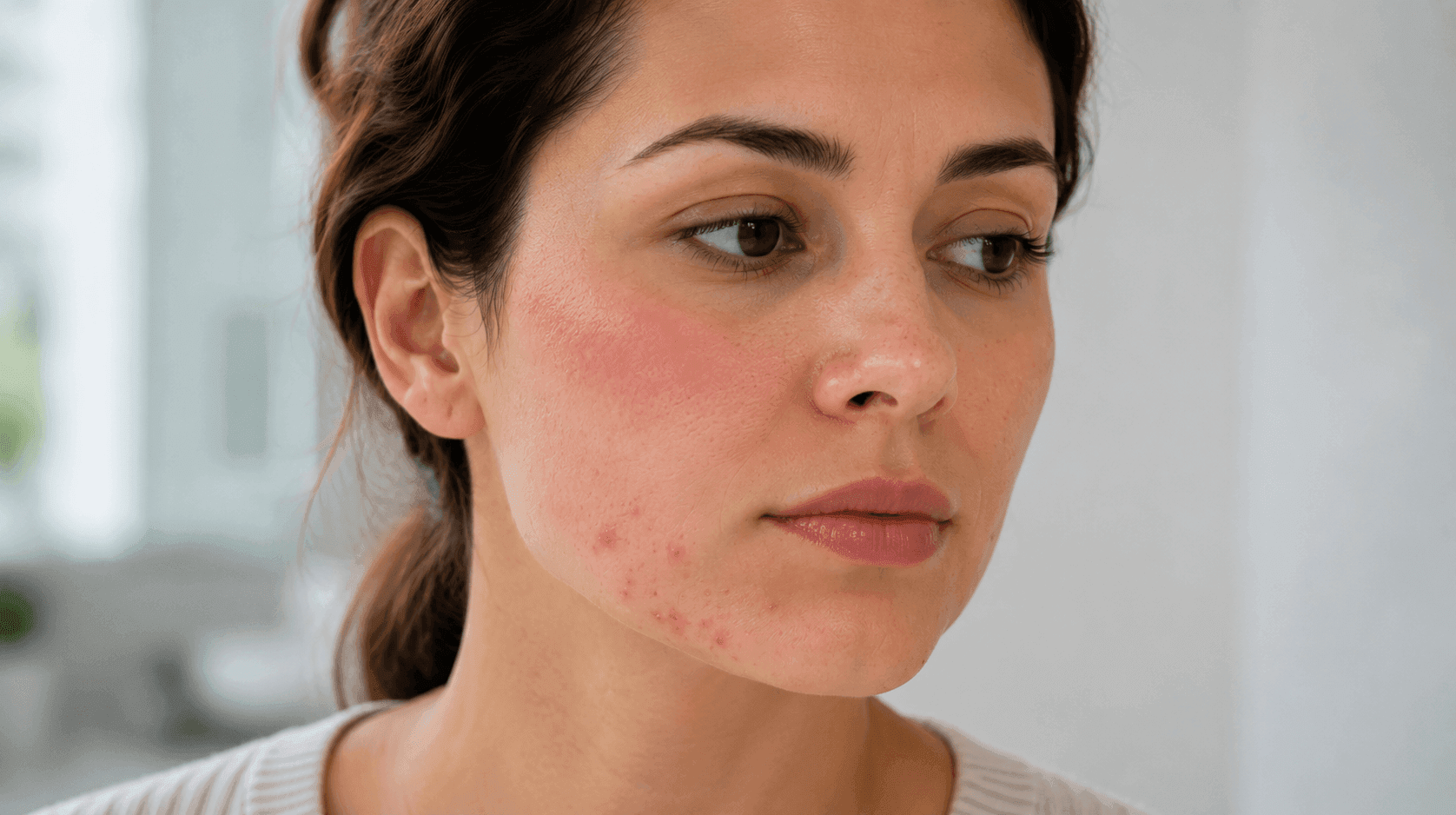
Melasma tends to form larger, symmetrical patches, often in a butterfly pattern across the face. It’s more common in women and is strongly linked to hormonal changes and sun exposure. Melasma can be stubborn and often returns without consistent sun protection.
Post-Inflammatory Hyperpigmentation (PIH)
This type of discoloration develops after the skin has experienced inflammation or injury, such as acne, eczema, allergic contact dermatitis (due to cosmetics, other chemicals or plant exposure) or burns. It’s especially common in darker skin tones and can take months to fade.
Because each of these pigmentation issues behaves differently, seeing a dermatology provider is the best way to get the right diagnosis and avoid worsening the problem with over-the-counter products that might be too harsh.
How Dermatology Treatments Help
Over-the-counter brighteners and home remedies often provide limited results. Professional treatments go deeper, targeting melanin at its source, accelerating cell turnover, and preventing new pigment from forming. At Park Plaza Dermatology, we customize every treatment plan to suit your skin’s tone, sensitivity, and goals.
Topical Treatments and Prescription Creams
Dermatology-grade topical medications help control melanin production and fade existing discoloration. Ingredients such as hydroquinone, azelaic acid, kojic acid, niacinamide, and retinoids can effectively lighten dark patches while improving skin texture and tone.
Laser Therapy
Laser treatments are among the most effective tools for targeting deeper pigmentation. Different laser wavelengths can precisely break up melanin deposits beneath the surface, gradually reducing dark spots and melasma without damaging healthy skin. These treatments also stimulate collagen, giving the skin a refreshed, youthful glow.
Microneedling
Microneedling uses tiny, controlled punctures to trigger skin repair and increase the absorption of brightening serums. It’s especially beneficial for post-inflammatory hyperpigmentation and uneven texture caused by acne scars.
Phototherapy and Light-Based Treatments
Certain types of light therapy can reduce pigmentation and redness while promoting even skin tone. These treatments are non-invasive, require little downtime, and deliver gradual improvements with consistent sessions.
Customized Medical-Grade Skincare Plans
A dermatologist can also create a personalized at-home regimen using professional-grade skincare that supports your in-office treatments. Products with antioxidants like vitamin C, gentle exfoliating acids, and consistent sunscreen use are key to maintaining results and preventing new spots.
Each treatment is customized; what works for one skin type may not be right for another. That’s why professional evaluation is essential, especially for patients with darker complexions, where incorrect treatments can cause further pigmentation or irritation.
Preventing Pigmentation and Protecting Results
Once your skin tone has improved, maintenance is everything. Hyperpigmentation often returns if the skin isn’t protected from its triggers.
Dermatology providers recommend the following strategies:
- Use sunscreen daily, rain or shine. Broad-spectrum SPF 30 or higher protects against UVA and UVB rays that stimulate pigment.
- Reapply sunscreen every two hours when outdoors and pair it with hats or protective clothing.
- Avoid picking at pimples or scabs, which can cause new spots.
- Incorporate antioxidants like vitamin C or niacinamide to prevent oxidative damage that leads to darkening.
- Stay consistent with your skincare plan, even after your pigmentation fades. Prevention is easier than correction.
These daily habits are simple yet powerful tools for maintaining your skin’s clarity and health.
When to See a Dermatology Provider
If your dark spots or melasma haven’t improved after months of diligent skincare, or if you’re unsure what’s causing the discoloration, it’s time to see a dermatologist. You should also schedule a visit if:
- The pigmentation is spreading or changing rapidly.
- Spots appear raised, irregular, or multicolored.
- You’ve developed irritation or burning from brightening products.
- You suspect a medication or medical condition is contributing.
Dermatology providers can differentiate between common hyperpigmentation and more serious concerns like precancerous lesions or melanoma. Early evaluation ensures both effective and safe treatment.
The Emotional Side of Pigmentation
Beyond the physical appearance, living with hyperpigmentation or melasma can take an emotional toll. Many patients report feeling self-conscious, especially when discoloration appears on visible areas like the face or neck.
At Park Plaza Dermatology, we understand how deeply skin concerns can affect your confidence. Our team combines advanced technology with compassionate care, ensuring every patient feels supported throughout their treatment journey. Clear, even-toned skin isn’t just about appearance; it’s about feeling comfortable and confident in your own skin again.
Achieve a Radiant, Even Complexion
Hyperpigmentation can be stubborn, but with expert dermatologic care, long-lasting improvement is within reach. Whether you’re dealing with sun-induced dark spots, post-acne marks, or hormonally triggered melasma, Park Plaza Dermatology offers the knowledge and tools to help your skin look its best.
Our dermatology providers take a customized approach, creating plans that suit your skin’s unique needs while protecting its natural balance. With the right combination of in-office treatments, at-home care, and preventive habits, you can restore your skin’s natural brightness and vitality.
Ready to take the first step toward clear, even-toned skin? Schedule your consultation or verify your insurance coverage today to begin your journey toward a complexion that glows with confidence.