Skip to content


Chemical Peels: Popular But Sometimes Misunderstood
Chemical peels are one of the most popular cosmetic dermatology treatments for improving skin tone, smoothing texture, and refreshing your appearance. From softening fine lines to helping with acne scars and discoloration, peels have been trusted for decades.
But if you’ve ever considered a peel, you’ve probably also asked yourself: Are they safe? The word “chemical” alone can feel intimidating, and it’s normal to worry about potential risks.
The truth is, like any cosmetic treatment, chemical peels come with side effects and risks. However, when performed by experienced dermatology providers in a controlled setting, chemical peels are considered safe and effective. Let’s take a closer look.
What Exactly Is a Chemical Peel?
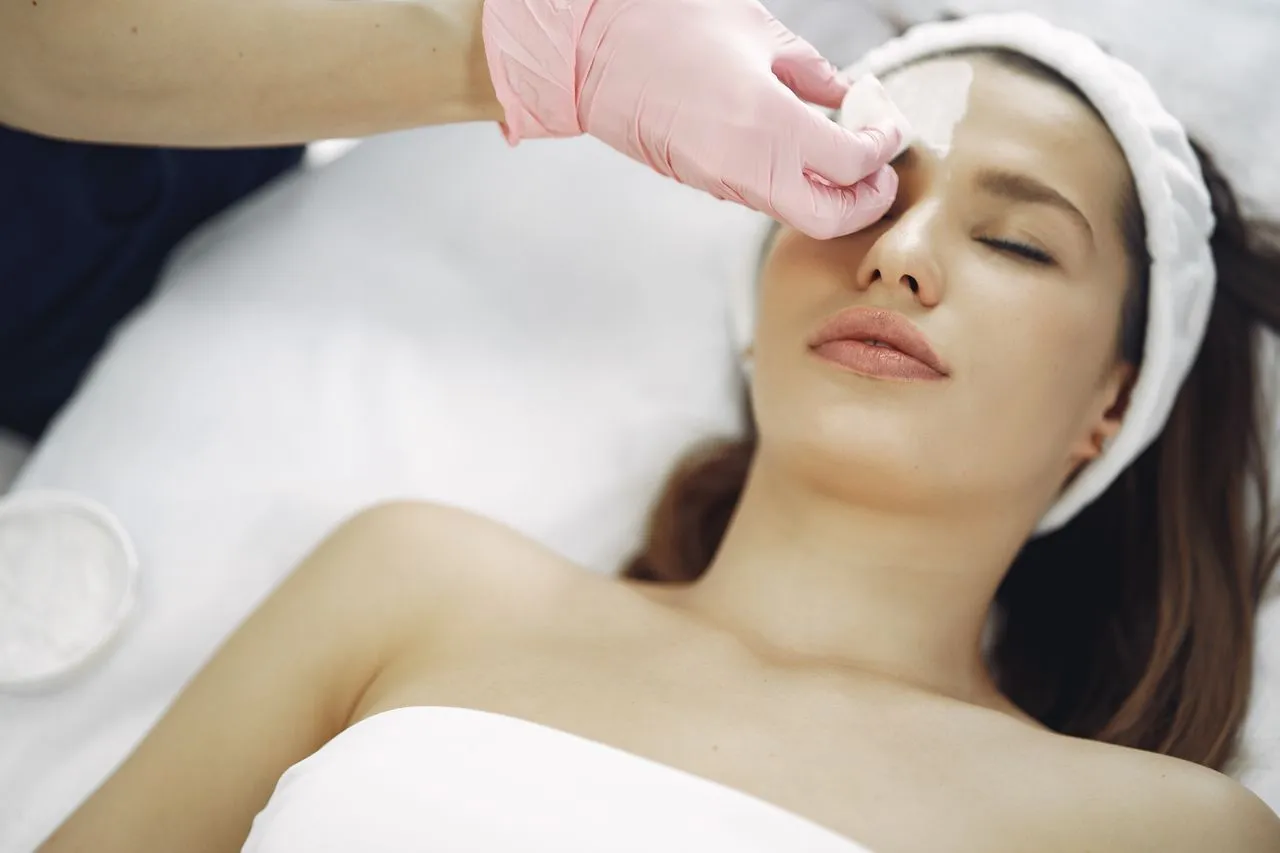
A chemical peel is a skin-resurfacing treatment where a specially formulated solution is applied to remove damaged outer layers of skin. This process encourages new cell growth, leading to a brighter and more even complexion. Commonly utilized are glycolic acid, salicylic acid, Jessner, trichloroacetic acid, Perfect Derma, Kligman formula, and other combinations of different formulas.
There are three main types of peels:
- Light (superficial) peels – target the top layer of skin for mild issues like dullness or uneven tone.
- Medium peels – penetrate deeper to treat fine lines, acne scars, or more noticeable discoloration.
- Deep peels – reach into lower skin layers and are used for more severe damage, though they require longer recovery and carry higher risks.
Common Side Effects of Chemical Peels
Even though chemical peels are safe, side effects are part of the process. Most are temporary and show your skin is healing. These may include:
- Redness and mild swelling
- Dryness, flaking, or peeling skin
- A tight feeling in the treated area
These effects usually resolve within a few days for light peels, or a couple of weeks for deeper treatments.
Possible Risks and Complications
While uncommon, chemical peels can cause complications. These risks include:
- Pigmentation changes – Some patients experience temporary hyperpigmentation (darker spots) or hypopigmentation (lighter areas), especially those with naturally darker skin tones.
- Scarring – Rare, but possible if the skin reacts poorly or aftercare isn’t followed.
- Infections – Though uncommon, untreated bacteria or picking at healing skin can increase this risk.
Most risks are linked to improper application, using overly strong peels, or at-home kits without medical supervision.
Factors That Influence Risk
Not everyone’s skin reacts the same way to chemical peels. Factors that can affect risk include:
- Skin type and tone – Patients with darker complexions may be more prone to pigment changes.
- Medical history – Conditions like frequent cold sores, certain medications, or recent cosmetic procedures may increase risk.
- Peel strength – Deeper peels naturally carry more downtime and higher risk compared to lighter ones.
This is why personalized evaluation before treatment is essential.
How Dermatology Providers Minimize Risks
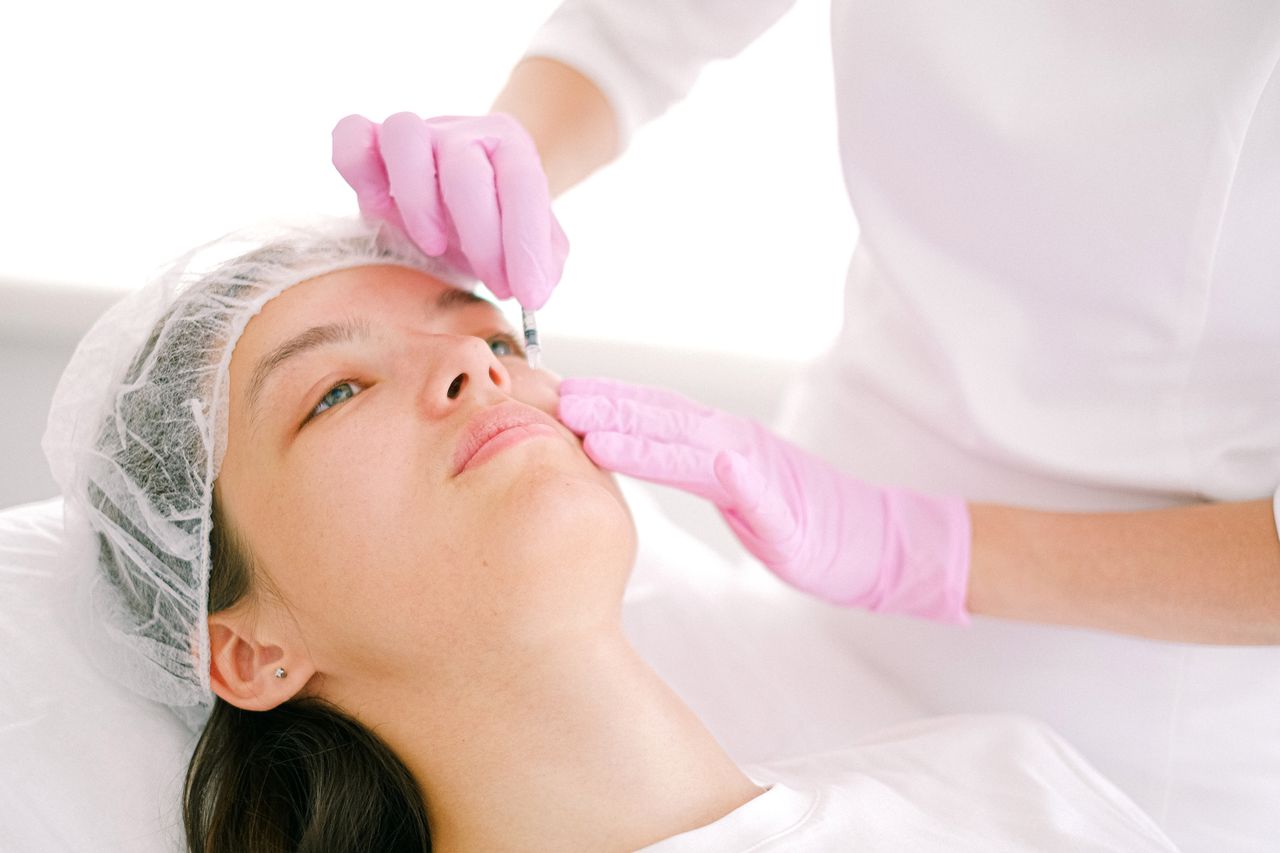
When performed under professional care, chemical peels are very safe. Dermatology providers take several steps to reduce risks:

- Carefully review your medical history and skin type.
- Recommend the safest peel strength for your goals.
- Apply the peel in a sterile, controlled environment.
- Provide clear aftercare instructions to prevent complications and maximize results.
This expertise is what makes the difference between a safe, effective peel and one that could potentially cause problems.
Are Chemical Peels Worth the Risks?
For most patients, the answer is yes. When performed correctly, chemical peels can dramatically improve skin appearance with minimal downtime. Patients often notice brighter, smoother skin and feel more confident after treatment.
While no cosmetic procedure is entirely risk-free, the likelihood of serious side effects is low when treatment is guided by a qualified dermatologist.
What This Means for Your Skin
Chemical peels are a powerful tool for skin rejuvenation, but they need to be approached thoughtfully. Understanding both the benefits and the risks can help you make an informed decision.
At Park Plaza Dermatology, our dermatology providers tailor each peel to your skin’s unique needs while prioritizing safety. If you’re considering a chemical peel, we’ll guide you through the process step by step and ensure you feel comfortable with your care.
Ready to explore chemical peels? Schedule your consultation or verify your insurance today and take the first step toward smoother, healthier skin.