Skip to content


Many people expect acne to disappear after their teenage years. So when breakouts continue into your 20s, 30s, or beyond, it can feel frustrating and confusing. For some adults, acne never fully went away. Others suddenly develop breakouts later in life despite never struggling with acne before.
The reality is that adult acne is extremely common. Acne in adults often has different triggers than adolescent acne, which is one reason many over-the-counter products fail to provide lasting improvement. Understanding what causes adult breakouts and when it’s time to see a dermatology provider can help you move beyond trial-and-error treatments and toward clearer, healthier skin.
Why Adult Acne Happens
Acne is not just a teenage skin condition. Adult skin can still experience clogged pores, excess oil production, inflammation, and bacterial buildup, leading to breakouts.
However, adult acne often behaves differently from teenage acne. Breakouts may be more persistent, appear in different areas of the face, and respond differently to products. Adult skin is also more prone to irritation and dryness, making aggressive acne treatments harder to tolerate.
Because there are multiple factors involved, adult acne is rarely caused by just one issue alone.
Hormonal Changes and Adult Breakouts
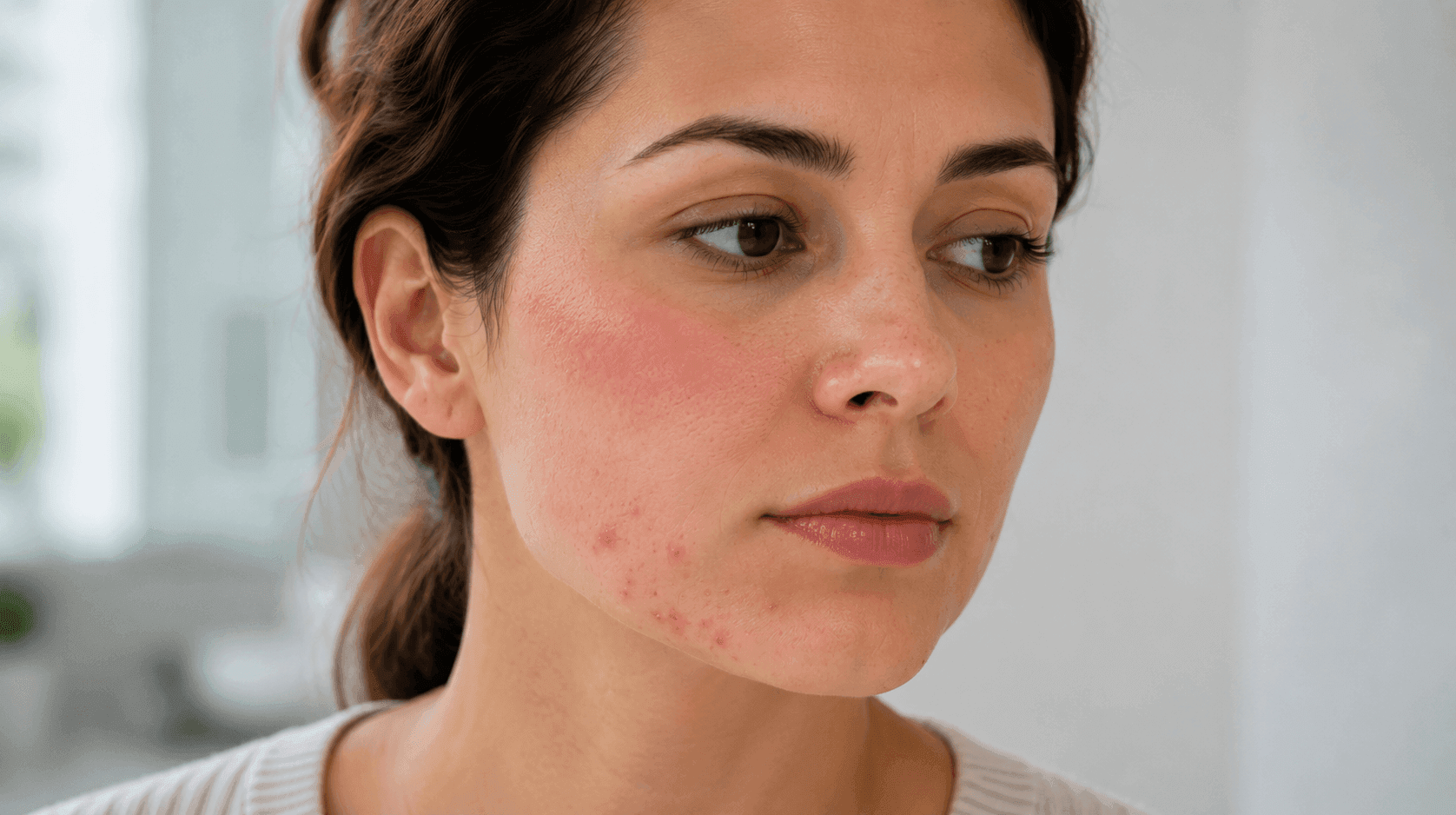
Hormonal fluctuations are one of the most common triggers of adult acne. Changes in hormone levels can increase oil production and inflammation, leading to breakouts even in people who previously had clear skin.
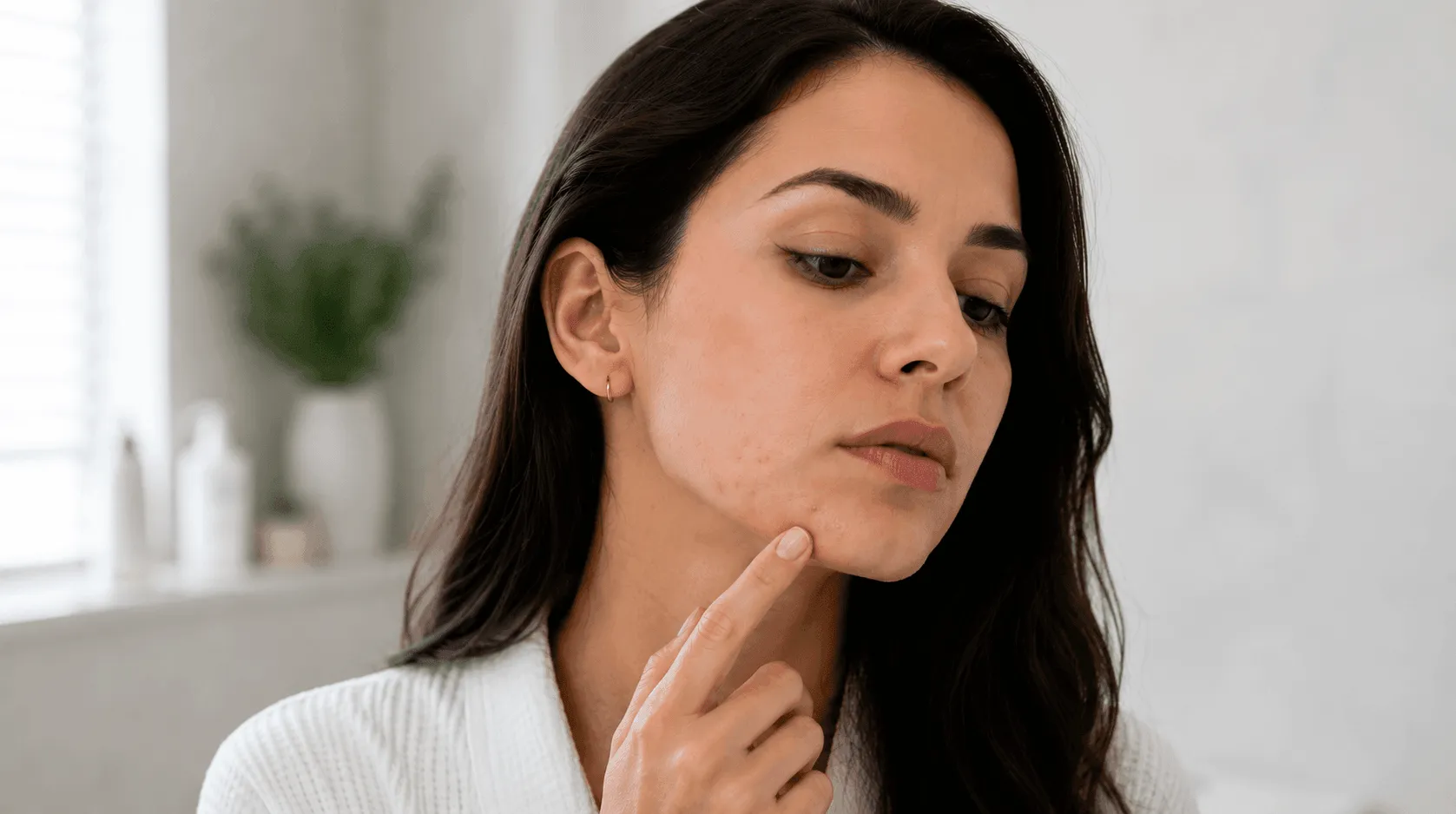
Hormonal acne often appears around:
- the chin
- jawline
- lower cheeks
- neck area
Many adults notice flare-ups around menstrual cycles, periods of stress, or other hormonal shifts. These breakouts are often deeper, more inflamed, and slower to heal than typical teenage acne.
Because hormonal acne can be persistent, many people find that standard acne washes or spot treatments only provide temporary improvement.
Stress, Sleep, and Lifestyle Factors
Adult skin responds strongly to stress and lifestyle changes. Increased stress levels can trigger inflammation throughout the body, including the skin, which may contribute to breakouts.

Lack of sleep, inconsistent routines, sweat buildup, and changes in diet can also affect the skin barrier and oil production. Adults juggling work, family responsibilities, and busy schedules may notice their skin reacting during periods of stress or exhaustion.
Unlike teenage acne, adult breakouts are often closely tied to daily habits and long-term patterns of inflammation.
Skincare Habits That May Be Making Acne Worse
In an attempt to clear breakouts quickly, many adults unintentionally irritate their skin further.
Common habits that may worsen acne include:
- Over-exfoliating the skin
- Using harsh cleansers or drying products
- Frequently switching skincare products
- Sleeping in makeup
- Picking or squeezing breakouts
Adult skin tends to be more sensitive than teenage skin. When the skin barrier becomes irritated, inflammation can increase and make breakouts more difficult to control.
In many cases, simplifying a skincare routine is just as important as treating the acne itself.
Why Adult Acne Looks Different
Adult acne often looks and behaves differently from adolescent acne. Instead of small surface-level pimples, adults frequently develop deeper or more painful breakouts.
Adult acne may involve:
- Cystic or inflamed blemishes
- Breakouts concentrated on the lower face
- Longer healing times
- Increased post-inflammatory dark spots
- Greater risk of scarring
Because healing tends to be slower in adulthood, even mild breakouts can leave lingering marks or discoloration.
When Breakouts May Not Actually Be Acne
Not every breakout is true acne. Several skin conditions can resemble acne but require different treatment approaches.
Conditions that are commonly mistaken for acne include:
- Rosacea
- Folliculitis
- Perioral dermatitis
- Irritation from skincare products
This is one reason self-diagnosis can delay improvement. Using acne treatments on the wrong condition may worsen irritation and make symptoms harder to manage.
A dermatology provider can help determine whether breakouts are truly acne or another skin condition entirely.
When to See a Dermatology Provider
Occasional breakouts are common, but persistent or worsening acne should not be ignored.

It may be time to see a dermatology provider if:
- Acne is painful or cystic
- Over-the-counter products are not helping
- Breakouts are leaving scars or dark spots
- Acne keeps returning in the same areas
- Skin becomes irritated from acne products
- Breakouts are affecting confidence or daily life
Early treatment can help reduce long-term skin damage and improve overall skin health.
How Dermatology Providers Treat Adult Acne
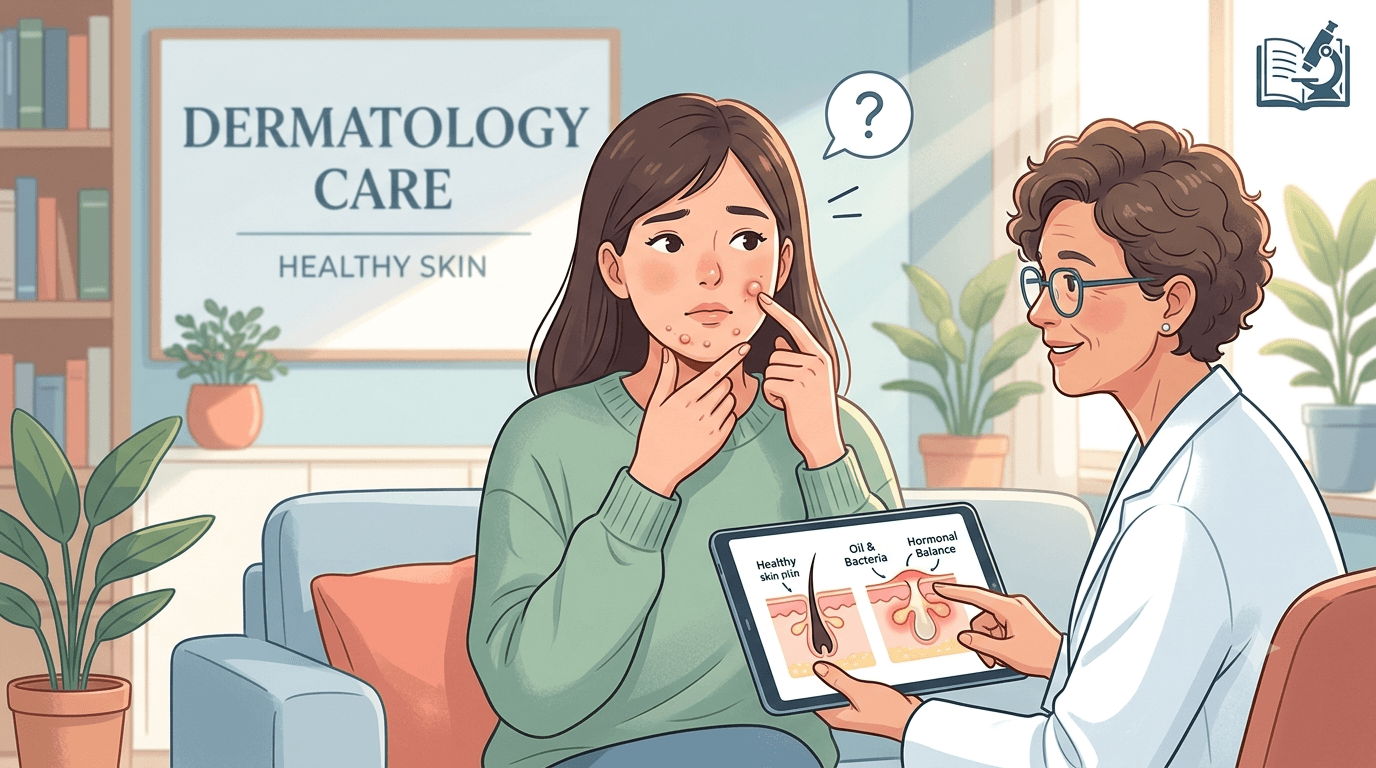
Treating adult acne begins with understanding what is contributing to the breakouts. A dermatology provider will evaluate factors such as skin type, acne pattern, inflammation level, and possible triggers.
Because adult skin is different from teenage skin, treatment plans are often more personalized and designed to balance acne control with protecting the skin barrier.
Treatment may focus on:
- Reducing inflammation
- Managing oil production
- Preventing clogged pores
- Improving skin texture
- Minimizing scarring and dark spots
Consistency is also important. Adult acne often requires time and a structured plan rather than quick fixes.
How Park Plaza Dermatology Can Help
At Park Plaza Dermatology, dermatology providers evaluate adult acne with a personalized approach focused on both treatment and long-term skin health.
Whether you’re dealing with hormonal breakouts, persistent acne, post-acne dark spots, or irritation from previous treatments, care is designed around your skin’s individual needs and goals.
The goal is not simply to temporarily treat breakouts, but to help patients develop a manageable plan that supports healthier skin over time.
Next Steps
Adult acne is more common than many people realize, and persistent breakouts are not something you simply have to “grow out of.” Because adult acne often has multiple contributing factors, professional evaluation can help identify the cause and guide more effective treatment.
If your breakouts continue despite trying different products or routines, consider scheduling an appointment with Park Plaza Dermatology. The right treatment plan can help reduce flare-ups, minimize irritation, and support clearer skin in the long term.