Skip to content


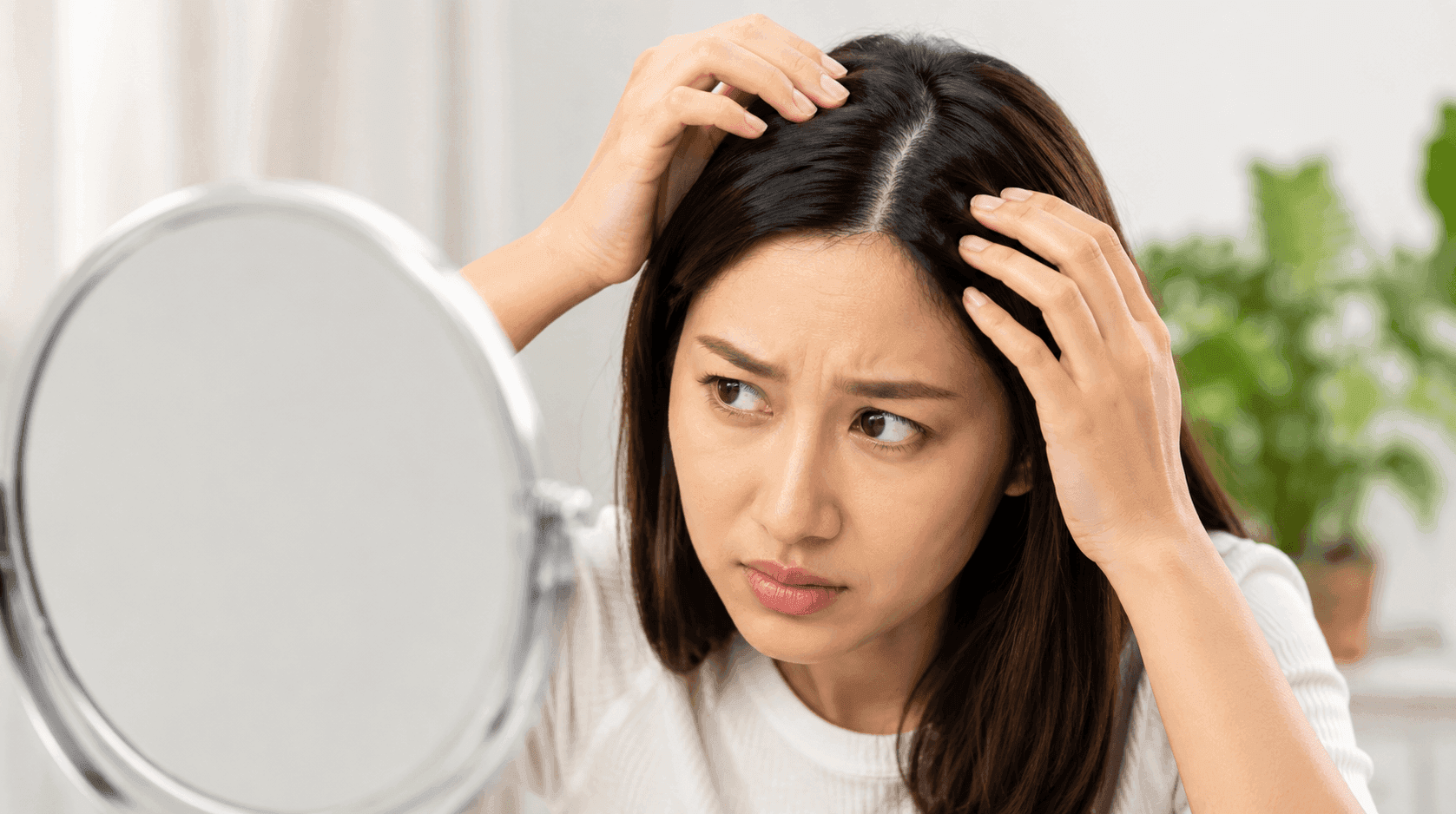
An itchy scalp is often automatically blamed on dandruff. But what if your scalp feels irritated, uncomfortable, or persistently itchy without visible flakes?
Scalp itching can happen for many reasons, and dandruff is only one possibility. In some cases, the scalp may appear mostly normal while still feeling irritated or sensitive. For others, symptoms may come and go depending on the weather, hair products, stress, or underlying skin conditions.
Understanding what may be causing scalp irritation is important because treating the wrong issue can worsen symptoms. Knowing when to see a dermatology provider can help you move beyond temporary relief and toward long-term scalp health.
Why an Itchy Scalp Doesn’t Always Mean Dandruff
Dandruff is a common cause of scalp irritation, but it is far from the only one. Many people experience itchy scalp symptoms without noticeable flakes, which can make the cause harder to identify.
The scalp is skin, and like the skin on the rest of the body, it can become irritated from dryness, inflammation, allergic reactions, or sensitivity to products. Some scalp conditions also cause itching before visible skin changes appear.
Because symptoms often overlap, it’s common for people to self-diagnose and repeatedly switch shampoos without improvement. Identifying the underlying cause is often the most important step toward proper treatment.
Common Causes of Scalp Itching
Several different conditions can contribute to scalp irritation and itching.
Dry Scalp
Dry scalp is one of the most common causes of itching, especially during colder months or periods of low humidity. Frequent hot showers, overwashing, and harsh shampoos can strip the scalp of natural moisture and weaken the skin barrier.
When the scalp becomes overly dry, irritation and sensitivity may follow—even if there are no visible flakes.
Scalp Dermatitis
Inflammation of the scalp, often referred to as scalp dermatitis, can lead to persistent itching, redness, and discomfort. In some cases, irritation is triggered by hair dyes, fragrances, styling products, or certain shampoo ingredients.
This type of irritation may develop gradually, making it difficult to recognize the specific trigger.
Scalp Psoriasis
Scalp psoriasis can also cause ongoing itching and irritation. Unlike simple dandruff, psoriasis may lead to thicker or more persistent patches on the scalp.
Some people notice scaling near the hairline, behind the ears, or on the back of the scalp. Symptoms can range from mild irritation to more intense discomfort.
Because psoriasis can resemble other scalp conditions, professional evaluation is often necessary for accurate diagnosis.
Product Buildup and Overuse

Using multiple styling products, dry shampoos, oils, or heavy hair treatments can sometimes irritate the scalp rather than help it.
Residue buildup may trap sweat, oil, and impurities against the skin, contributing to itching or sensitivity. Frequent product switching can also make it harder for the scalp barrier to recover.
Sweat and Heat
Sweat and humidity can irritate the scalp, especially during warmer months or after exercise. Trapped moisture may increase sensitivity and contribute to inflammation in people with reactive skin.
Wearing hats for extended periods or leaving sweat on the scalp for long periods may also worsen irritation for some individuals.
Signs Your Scalp May Need Professional Evaluation
Occasional itching is common, but certain symptoms may indicate that a dermatology provider should evaluate the scalp.
You should consider seeking care if you notice:
- Persistent itching that does not improve
- Burning, tenderness, or discomfort
- Redness or visible irritation
- Thickened or scaly patches
- Increased scalp sensitivity
- Hair shedding along with itching
- Symptoms worsening despite changing shampoos or products
Early evaluation can help prevent prolonged irritation and unnecessary trial-and-error treatments.
Why Switching Products Repeatedly Can Make It Worse
When the scalp becomes itchy, many people try to solve the problem by purchasing multiple shampoos or scalp treatments. While this seems reasonable, constantly changing products can actually increase irritation.
Many shampoos designed for dandruff or scalp treatment contain active ingredients that may dry or irritate sensitive skin if used too frequently. Fragrances, exfoliating ingredients, and harsh cleansing agents may further weaken the scalp barrier.
In some cases, simplifying the routine and identifying triggers is more effective than aggressively treating the scalp with multiple products at once.
When Itchy Scalp May Be Linked to Hair Changes
Scalp health and hair health are closely connected. Ongoing inflammation or repeated scratching can affect the scalp environment, contributing to hair shedding or increased hair sensitivity.
Some people notice:
- Increased shedding while washing hair
- Tenderness of the scalp
- Hair feels thinner in irritated areas
Although temporary shedding may improve once inflammation is controlled, persistent symptoms should be evaluated to rule out underlying scalp conditions.
How Dermatology Providers Diagnose Scalp Conditions

Diagnosing scalp irritation involves more than checking for dandruff. A dermatology provider will evaluate scalp patterns, symptoms, product use, and potential triggers to determine the possible cause of the irritation.
This process helps distinguish between:
- Dry scalp
- Dermatitis
- Psoriasis
- Product-related irritation
- Other inflammatory scalp conditions
Because many scalp concerns look similar, an accurate diagnosis is important for choosing the right treatment approach.
How Park Plaza Dermatology Can Help
At Park Plaza Dermatology, dermatology providers evaluate persistent scalp itching, focusing on identifying the root cause rather than simply masking symptoms.
Whether irritation is related to dryness, dermatitis, psoriasis, or sensitivity to hair products, treatment plans are tailored to the patient’s scalp condition, symptoms, and overall skin health.
The goal is to improve scalp comfort while helping support healthier skin and hair over time.
Supporting a Healthier Scalp
Healthy scalp habits can help reduce irritation and support the scalp barrier over time.
- Using gentle hair care products
- Avoiding overwashing the scalp
- Monitoring reactions to new products
- Rinsing sweat from the scalp after exercise
- Avoiding unnecessary product buildup
Consistency and simplicity are often more beneficial than aggressive scalp treatments.
Next Steps
An itchy scalp without dandruff is more common than many people realize. Because several different conditions can cause scalp irritation, identifying the right cause is essential for finding lasting relief.
If your scalp symptoms continue despite changing shampoos or trying over-the-counter treatments, consider scheduling an appointment with Park Plaza Dermatology. Professional evaluation can help determine the cause of the irritation and guide you toward a treatment plan that supports a healthier scalp and skin over the long term.