Skip to content


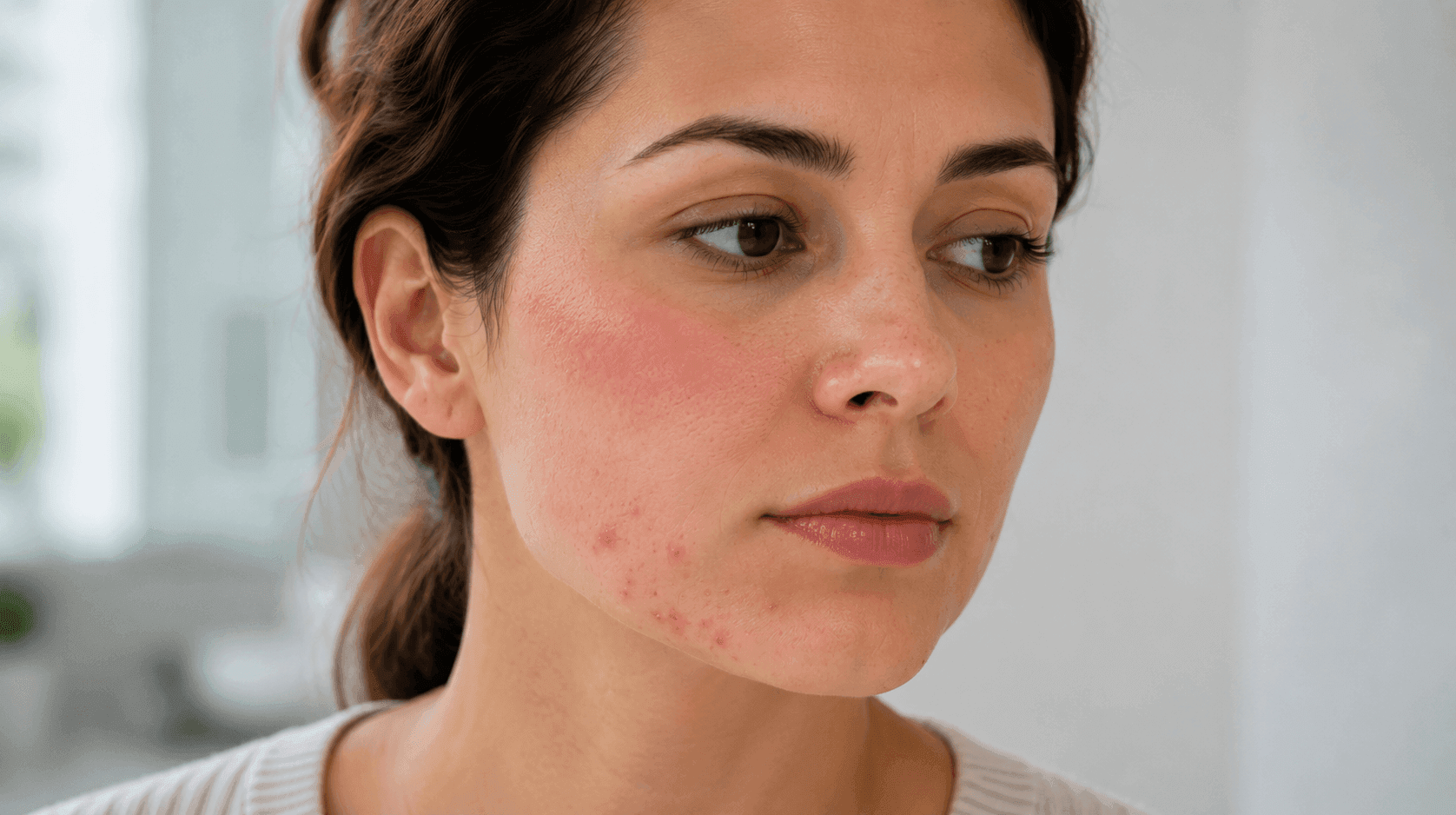
A red, itchy patch might seem like dry skin, leading many to try moisturizers or over-the-counter creams. While this can be helpful, a rash may also signal a more serious underlying issue.
Some rashes are caused by allergies, infections, or underlying medical conditions and need professional evaluation, not guesswork.
At Park Plaza Dermatology, our dermatology providers help patients across New York City understand what their skin is trying to communicate, treat the underlying cause of rashes, and prevent them from recurring.
What Counts as “Just Dry Skin”?
True dry skin (also called xerosis) is extremely common, especially in colder months or in dry indoor environments. It often shows up as roughness, flaking, and a feeling of tightness after showering or washing your hands. In many cases, dry skin improves with gentle skincare and regular use of a rich moisturizer.
While dry skin can be uncomfortable, it typically:
- Develops gradually, rather than suddenly appearing overnight
- Stays fairly localized (for example, just on the shins or hands)
- Does not cause blisters, open sores, or significant swelling
- Does not come with fever, joint pain, or a feeling of being ill
When a patch of “dry skin” starts spreading quickly, becomes painful, or doesn’t improve with good skincare, it’s no longer something to ignore. That’s when it may be a rash that needs professional attention rather than another layer of lotion.
Common Causes of Rashes That Aren’t Just Dryness
Many different conditions can cause rashes that look similar on the surface. That’s one reason self-diagnosing from online photos is so challenging. Some of the more common causes include:
- Inflammatory skin conditions, such as eczema (also known as atopic dermatitis) and psoriasis, can cause red, scaly, and itchy patches that wax and wane over time.
- Allergic and irritant contact dermatitis, triggered by skincare products, detergents, metals (like nickel), fragrances, or plants such as poison ivy.
- Infections, including fungal infections (like ringworm), bacterial infections (like impetigo or cellulitis), and viral rashes (such as shingles).
- Medication reactions or drug eruptions, where the immune system reacts to a prescription or over-the-counter drug and causes widespread rash or hives.
- Systemic or autoimmune conditions, such as lupus or vasculitis, where the rash is just one part of a bigger picture.
Because many different issues can cause rashes, and some are more serious than others, a careful examination by a dermatology provider is often the safest way to get answers.
Warning Signs Your Rash Needs a Dermatology Visit
Not every rash requires urgent care, but certain features are red flags that it’s time to see a dermatologist rather than watching and waiting. Dermatology organizations and medical centers commonly highlight the following warning signs:
- A rash that lasts more than a couple of weeks despite moisturizers or over-the-counter creams
- A rash that spreads quickly or covers a large area of your body
- Blisters, open sores, or areas where the skin is peeling or raw
- Fever, joint pain, body aches, or feeling unwell along with the rash
- Significant pain, burning, or intense itching that keeps you up at night
- A rash on sensitive areas such as the eyes, lips, mouth, or genitals
- Signs of infection, such as warmth, swelling, pus, or red streaks
If you’re not sure whether your rash falls into one of these categories, it’s reasonable to err on the side of caution and schedule an appointment. Even if the cause turns out to be minor, you gain peace of mind and clear guidance on what to do next.
How a Dermatology Provider Evaluates a Rash
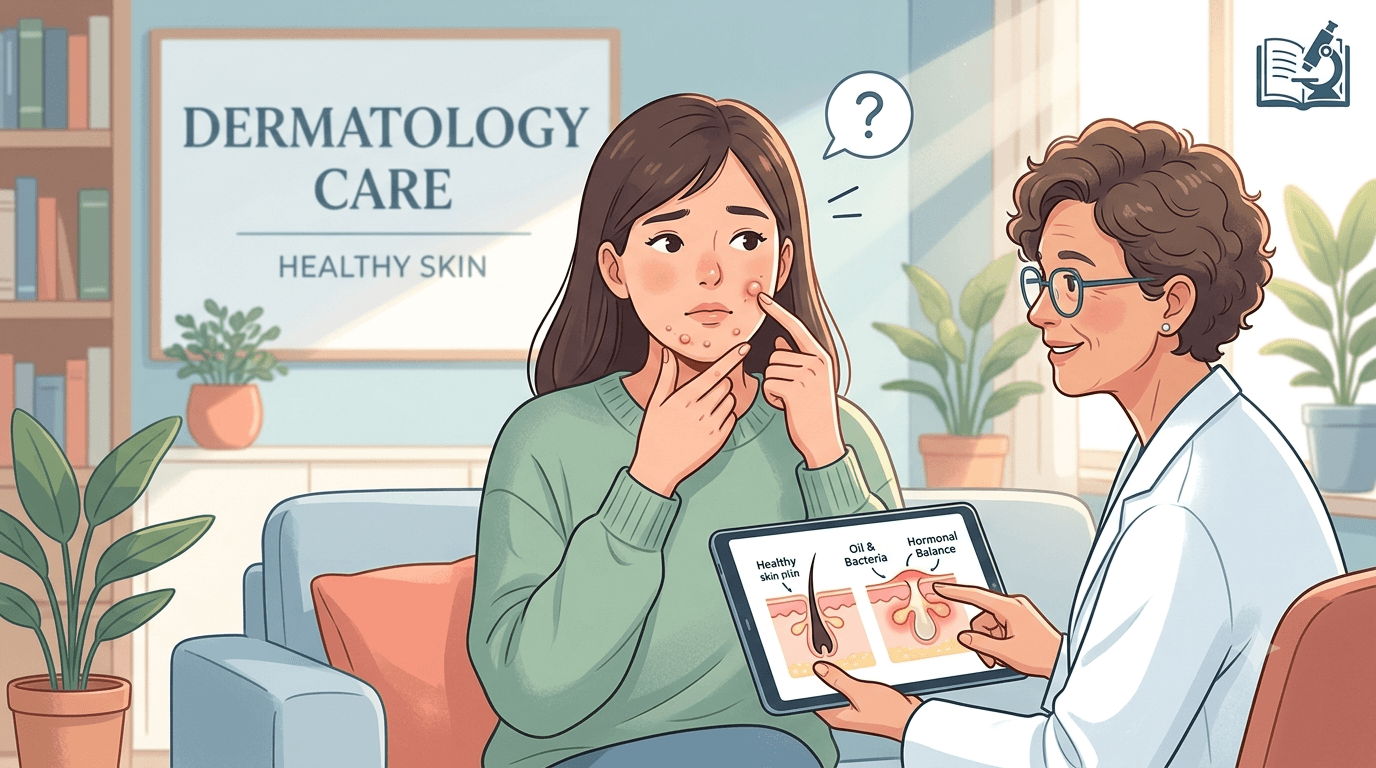
A visit for a rash is more than a quick glance at your skin. A dermatology provider will start by asking detailed questions: when you first noticed the rash, whether it has spread, what products you’re using, any new medications, recent illnesses, or travel.
They’ll then examine the rash closely, looking at its color, borders, texture, and exact distribution on the body. In some cases, the diagnosis is clear based solely on appearance. In others, additional testing may be needed, such as:
- Gently scraping the surface of the skin to look for fungal elements under a microscope.
- Taking a small skin sample (biopsy) to review under the microscope.
- Ordering blood tests if a systemic condition is suspected.
The goal is always the same: identify the underlying cause so that treatment can be targeted and effective, not just a temporary cover-up.
Treatment Options: From Simple Fixes to Advanced Care
Once the cause of your rash is identified, treatment can be tailored to your specific skin type and diagnosis. Depending on what’s going on, your dermatologist may recommend:
- Moisturizers and barrier repair creams for simple dry skin or mild irritant dermatitis.
- Prescription topical medications, such as steroid creams, calcineurin inhibitors, antifungal agents, or antibiotic ointments, are chosen to match the specific condition.
- Oral medications, including antihistamines for allergic reactions, antibiotics for bacterial infections, antivirals for shingles or other viral rashes, or systemic agents for autoimmune causes.
- Lifestyle and skincare changes, such as avoiding certain products or fabrics, adjusting bathing habits, or using gentle, fragrance-free cleansers and moisturizers.
At Park Plaza Dermatology, treatment plans are designed not only to alleviate the current rash but also to minimize the likelihood of recurrence, whenever possible.
When a Rash Is an Emergency, Not an Office Visit
While most rashes can be evaluated in a dermatology office, some situations require immediate emergency care. Seek urgent or emergency help (call 911 or go to the nearest ER) if you have a rash along with any of the following:
- Difficulty breathing, swallowing, or feeling like your throat is closing
- Swelling of the lips, tongue, or face
- A rapidly spreading rash, especially with blisters or raw skin
- High fever, confusion, or feeling very ill
These can be signs of a severe allergic reaction or a serious infection and should never be ignored; they should never wait for a routine appointment.
Why See a Dermatology Provider at Park Plaza Dermatology
Rashes can be frustrating, uncomfortable, and worrying, especially when they don’t behave like simple dry skin. At Park Plaza Dermatology, our team cares for a wide range of skin conditions, including eczema, psoriasis, contact dermatitis, fungal infections, and complex rashes that haven’t responded to basic treatments.
With multiple locations across Manhattan, the Bronx, and Brooklyn, as well as telemedicine options for select visits, we make it easier for patients throughout New York City to get answers and relief. Our approach combines careful diagnosis, clear explanations, and personalized treatment plans so you understand what’s happening with your skin and how to manage it going forward.
Schedule a Consultation
Not every rash is “just dry skin,” and waiting too long to get help can make symptoms harder to treat. If you’ve noticed a persistent, spreading, or painful rash, or if you’re unsure about a skin change, schedule a dermatology evaluation to get answers and relief.
Contact Park Plaza Dermatology to schedule your in-office or telemedicine appointment with a dermatology provider today.
Visit our website now to request an appointment and learn more about how we can assist with your skin condition.