Skip to content


Acne is one of the most common skin concerns in the world, but contrary to popular belief, it’s not just a teenage issue. Many adults experience persistent or new-onset acne well into their 20s, 30s, and even 40s. For some, it’s a continuation of breakouts that started in adolescence; for others, it’s an entirely new problem that appears later in life.
Although teenage and adult acne may look similar on the surface, they are often caused by different factors and require distinct approaches to treatment. At Park Plaza Dermatology, our dermatology providers help patients of all ages understand their acne and find solutions that work for their skin type, lifestyle, and goals.
Understanding Teenage Acne
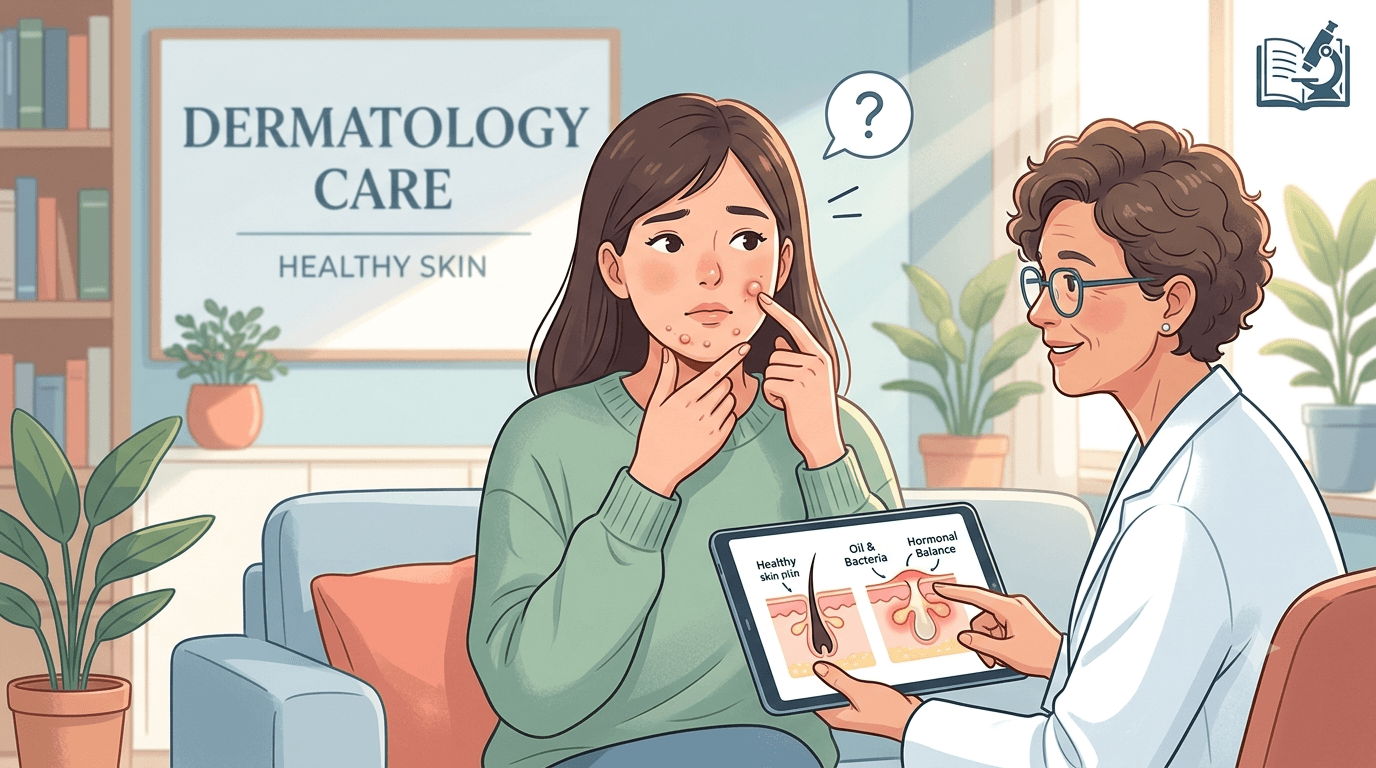
Teenage acne usually begins with the hormonal changes of puberty. As androgen levels increase, oil glands in the skin become more active. When excess oil combines with dead skin cells and bacteria, pores become clogged, leading to whiteheads, blackheads, and inflamed pimples.
For most teens, acne primarily appears in the T-zone the forehead, nose, and chin where the skin tends to be more oily. These breakouts may come and go, but for some, they become a daily frustration.
Several common triggers can make teenage acne worse:
- Hormonal surges during puberty that increase oil production
- Sweat and friction from sports gear or tight clothing
- Improper skincare routines, such as harsh scrubbing or skipping moisturizer
- Pore-clogging makeup and hair products
Teenage acne can vary in severity. While mild cases may respond well to over-the-counter cleansers, more moderate or cystic acne often needs professional guidance to prevent scarring and long-term damage.
Why Adults Get Acne Too
If you thought acne would disappear after high school, you’re not alone. Adult acne affects a growing number of men and women, and it can be especially frustrating to manage. Unlike teenage acne, which is mostly driven by puberty hormones, adult acne tends to have multiple causes, including hormonal fluctuations, stress, and lifestyle factors.
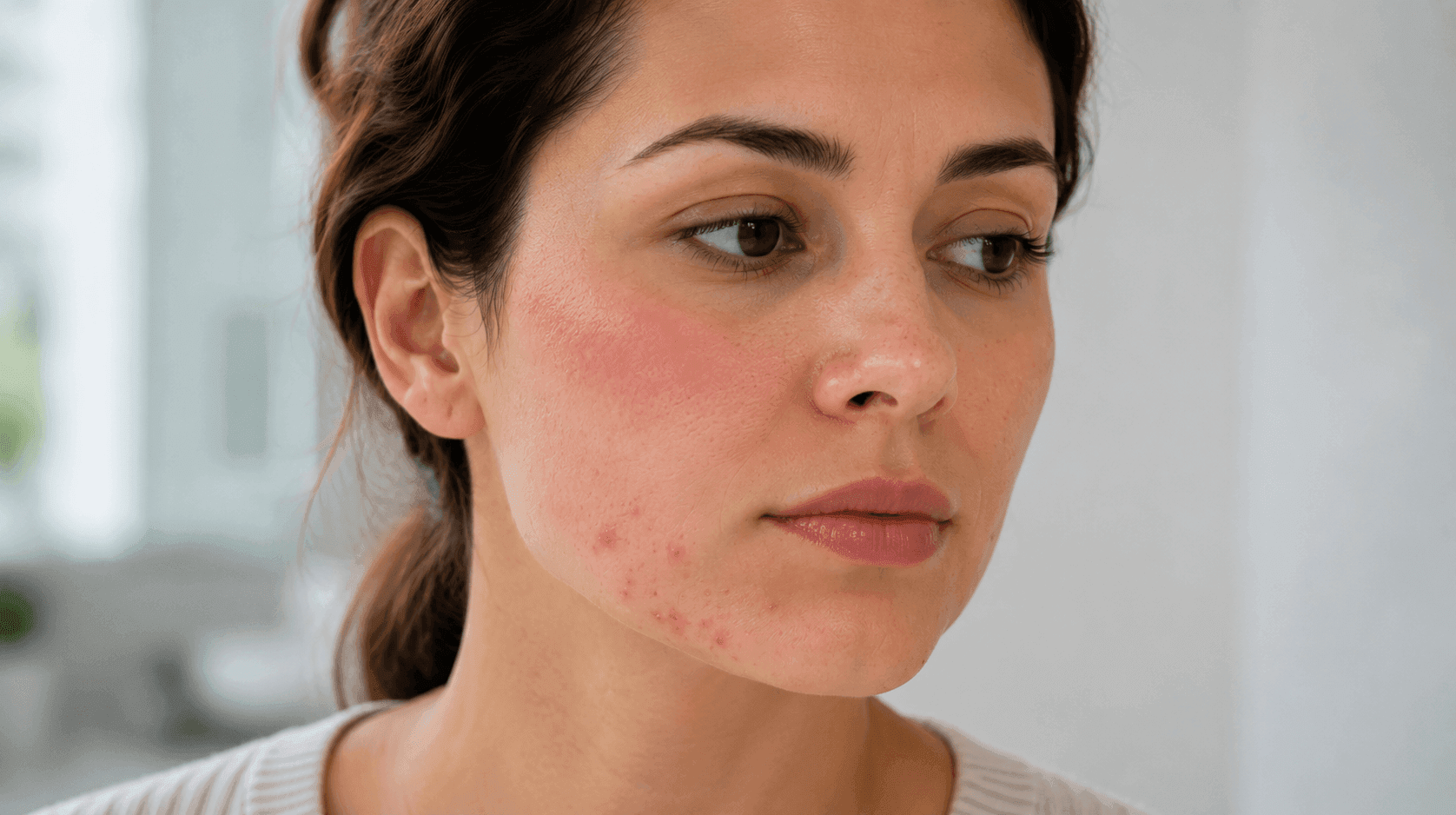
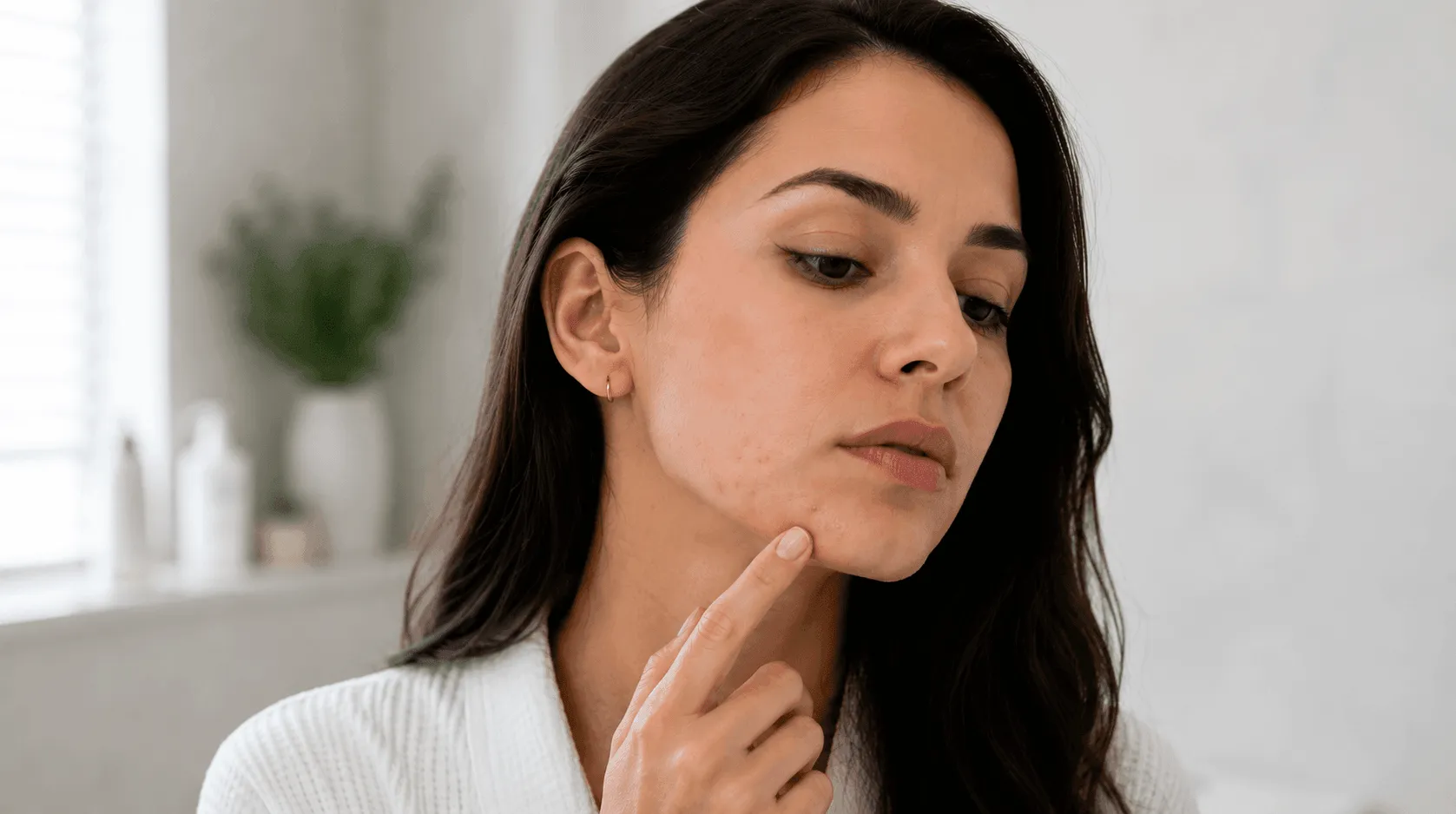
Many adults notice breakouts along the lower face, jawline, and neck, and these pimples often feel deeper, more painful, and slower to heal. For women, acne flare-ups may coincide with menstrual cycles, pregnancy, or menopause.
Common adult acne triggers include:
- Hormonal changes related to menstruation or menopause
- Chronic stress, which elevates cortisol and triggers oil production
- Clogged pores from heavy skincare or makeup products
- Environmental irritants like pollution and humidity
- Underlying conditions such as polycystic ovary syndrome (PCOS)
In adults, acne can also coexist with dryness and sensitivity, making harsh acne treatments from the teenage years too irritating for mature skin.
The Key Differences Between Teenage and Adult Acne
While both share the same foundation clogged pores and inflammation the root causes, location, and response to treatment differ. Teenage acne tends to develop quickly and heal faster, while adult acne is slower to appear but often more persistent.
Teenage acne is mostly oil-driven, and treatments focus on controlling sebum production and clearing pores. Adult acne, on the other hand, often requires balancing hormones, soothing inflammation, and protecting the skin barrier.
In short:
- Teen acne = oily skin, fast breakouts, faster healing.
- Adult acne = hormonal or stress-related, slower healing, often on drier skin.
Understanding these distinctions is the first step to effective treatment.
How Dermatology Providers Treat Acne at Any Age
Successful acne treatment requires more than just topical products; it requires identifying the underlying cause. At Park Plaza Dermatology, our dermatology providers develop personalized acne treatment plans for both teens and adults.
– For teenage acne, treatments may include:
- Prescription topical medications that unclog pores, reduce bacteria, and control oil.
- Oral medications, such as antibiotics or isotretinoin, for more severe cases.
- Acne surgery to remove comedones, millia.
- Incision and drainage of cysts to clear infections and try to prevent scarring.
- Intralesional steroids to reduce inflammation and speed up the resolution of acne lesions.
- Chemical peels to improve skin appearance and to resolve residual acne breakouts.
- Blue light or laser therapy to target acne-causing bacteria and inflammation.
- Gentle medical facials to deep-clean pores and reduce breakouts safely.
– For adult acne, the approach often focuses on hormonal and lifestyle factors.
Providers may recommend:
- Topical retinoids to prevent clogged pores and improve skin turnover.
- Hormonal therapy and/or oral contraceptives for women with hormonally driven breakouts.
- Oral medications for deeper, cystic acne that doesn’t respond to topical care.
- Acne surgery to remove comedones, millia.
- Incision and drainage of cysts to clear infections and try to prevent scarring.
- Intralesional steroids to reduce inflammation and speed up the resolution of acne lesions.
- Laser or phototherapy treatments that calm inflammation and promote healing.
- Hydrating facials and barrier-repair treatments to nourish sensitive, acne-prone skin.
Our dermatology providers take into account the patient’s age, lifestyle, and skin sensitivity when crafting a plan that delivers results without irritation.
Treating Acne Scars and Post-Inflammation
Both teenagers and adults can experience scarring after acne heals, especially when pimples are picked or left untreated. Scars may appear as dark spots, redness, or textural changes. Fortunately, modern dermatology offers several ways to improve these concerns.
Laser resurfacing, microneedling, and prescription retinoids are highly effective at stimulating collagen production, reducing discoloration, and smoothing uneven skin texture. With patience and consistency, these treatments can make a noticeable difference in the skin’s overall appearance.
Our dermatology team also emphasizes prevention early acne management is the best way to avoid scars in the first place.
Everyday Habits That Help Prevent Breakouts
Professional treatments are most effective when paired with healthy habits at home. Simple, consistent skincare can go a long way:
Start with a gentle, non-comedogenic cleanser to remove excess oil and buildup without stripping the skin. Avoid harsh scrubs or alcohol-based products that cause irritation. Use a light, oil-free moisturizer daily even oily skin needs hydration to stay balanced.
Make sure to remove makeup every night, and use non-pore-clogging products whenever possible. Try to manage stress, maintain a balanced diet, and get enough sleep, as these factors all play a role in your skin’s health.
Lastly, avoid picking or squeezing pimples. It might provide short-term relief, but it often leads to scarring and prolonged redness.
When to See a Dermatologist
If your acne hasn’t improved after several weeks of over-the-counter care, or if it’s painful, cystic, or leaving marks, it’s time to see a dermatologist. Persistent breakouts may indicate a deeper hormonal imbalance or chronic inflammation that requires medical attention.
At Park Plaza Dermatology, our dermatology providers understand that acne can affect more than just your skin; it can impact your confidence and emotional well-being. That’s why our approach is compassionate, comprehensive, and results-driven.
Clear Skin Is Possible — At Any Age
Whether you’re a teen navigating your first breakouts or an adult dealing with persistent flare-ups, clear skin is absolutely achievable. Acne may be common, but it doesn’t have to be permanent. With customized treatment, expert guidance, and supportive care, you can achieve a healthy, glowing complexion.
If you’re ready to take control of your acne, schedule a consultation or verify your insurance coverage today. The dermatology providers at Park Plaza Dermatology are here to help you restore your skin’s balance and your confidence at every stage of life.