Skip to content


Weight loss medications have become increasingly common in recent years, especially with the growing use of GLP-1 medications prescribed for weight management and metabolic health. While many people focus on the number on the scale, fewer realize that these medications and the rapid weight changes that sometimes accompany them can also affect the skin, hair, and nails.
For some patients, these changes are temporary or mild. Others may notice symptoms such as hair shedding, dry skin, or irritation in skin folds after significant weight loss. Understanding how weight-loss medications can affect the skin can help patients recognize normal changes and know when to see a dermatologist for evaluation.
Why Weight Loss Medications Can Affect Skin, Hair, and Nails
Medications used for weight loss can influence the body in several ways. Many work by affecting hormones and appetite signals that regulate metabolism. As a result, patients may experience changes in diet, weight, and inflammation levels throughout the body.
These internal shifts can affect the skin, hair, and nails because they respond quickly to changes in nutrition, hormones, and overall health. Rapid weight loss, changes in nutrient intake, and metabolic adjustments may influence skin elasticity and hair growth and shedding.
It’s important to remember that the effects people experience are not always caused solely by the medication. In many cases, the body’s response to weight loss itself influences how the skin and hair respond during this transition.
Skin Changes Some Patients Experience
Not everyone taking weight loss medications will notice changes in their skin. However, dermatology providers sometimes see several patterns that may occur during periods of significant weight loss.
Loose Skin After Rapid Weight Loss

One of the most commonly discussed changes is loose skin. When weight is lost quickly, the skin may not have enough time to fully adjust to the body’s new shape. Skin elasticity varies from person to person, so some individuals notice little change while others may see more visible loose or sagging skin.
Loose skin tends to appear in areas where fat was previously stored, such as:
- The abdomen
- Upper arms
- Inner thighs
- Neck or jawline
Age, genetics, and the rate of weight loss all influence how the skin adapts.
Injection-Site Reactions
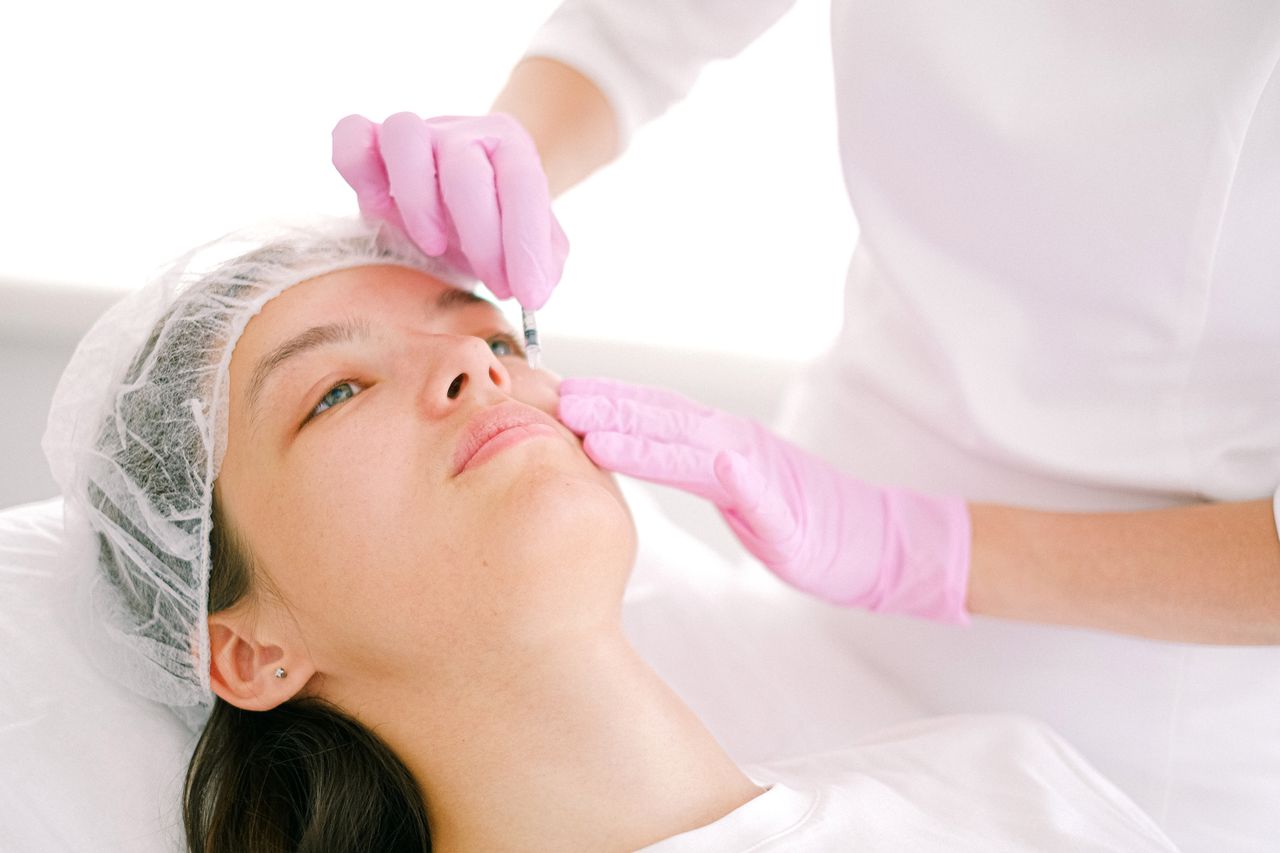
Some weight-loss medications are delivered via injections. In these cases, patients may occasionally experience mild skin reactions at the injection site.
These reactions may include:
- Redness
- Mild swelling
- Itching
- Temporary irritation
Most injection-site reactions are short-lived and resolve on their own, but persistent irritation should be evaluated.
Dry Skin or Acne Changes
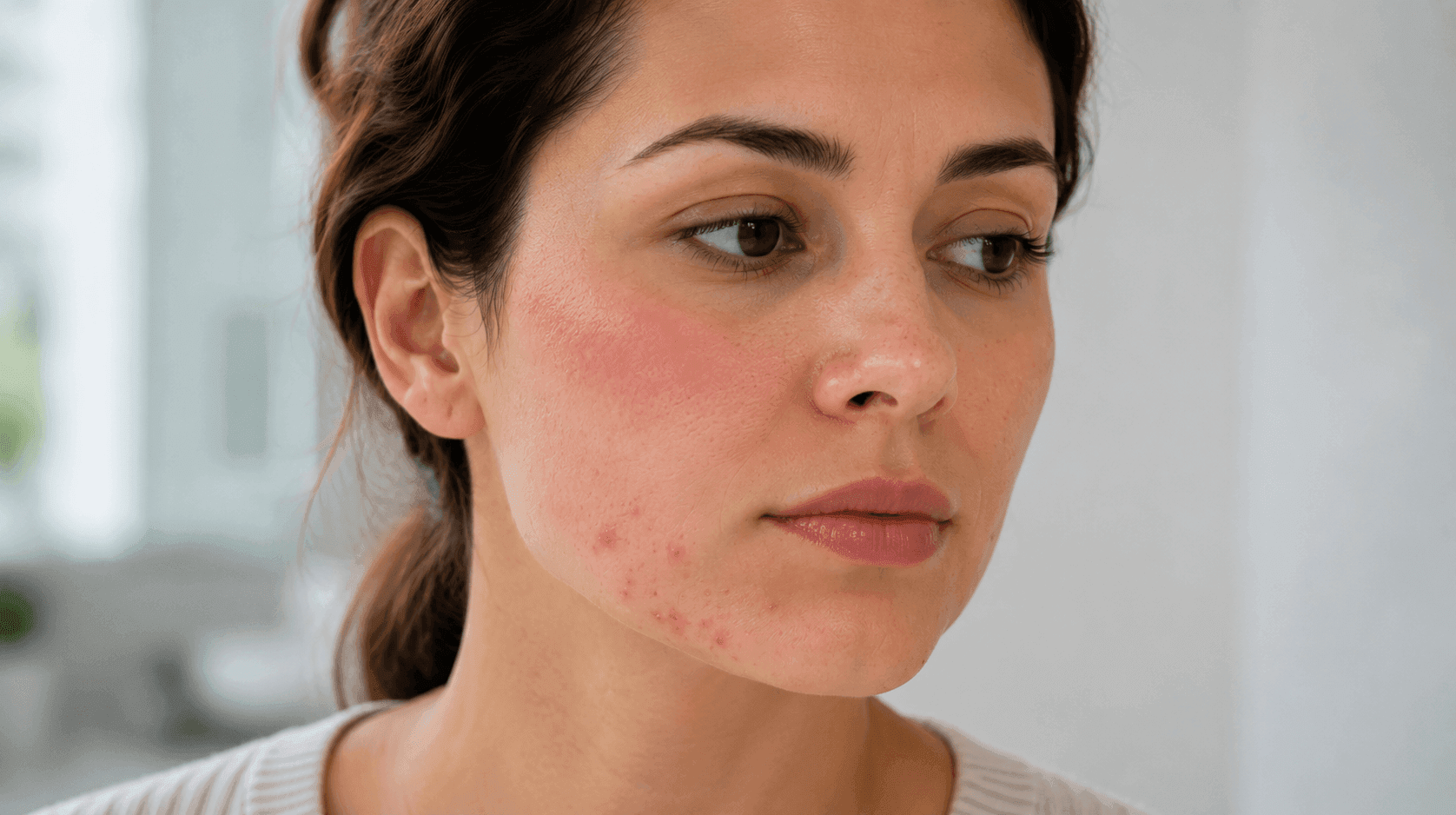
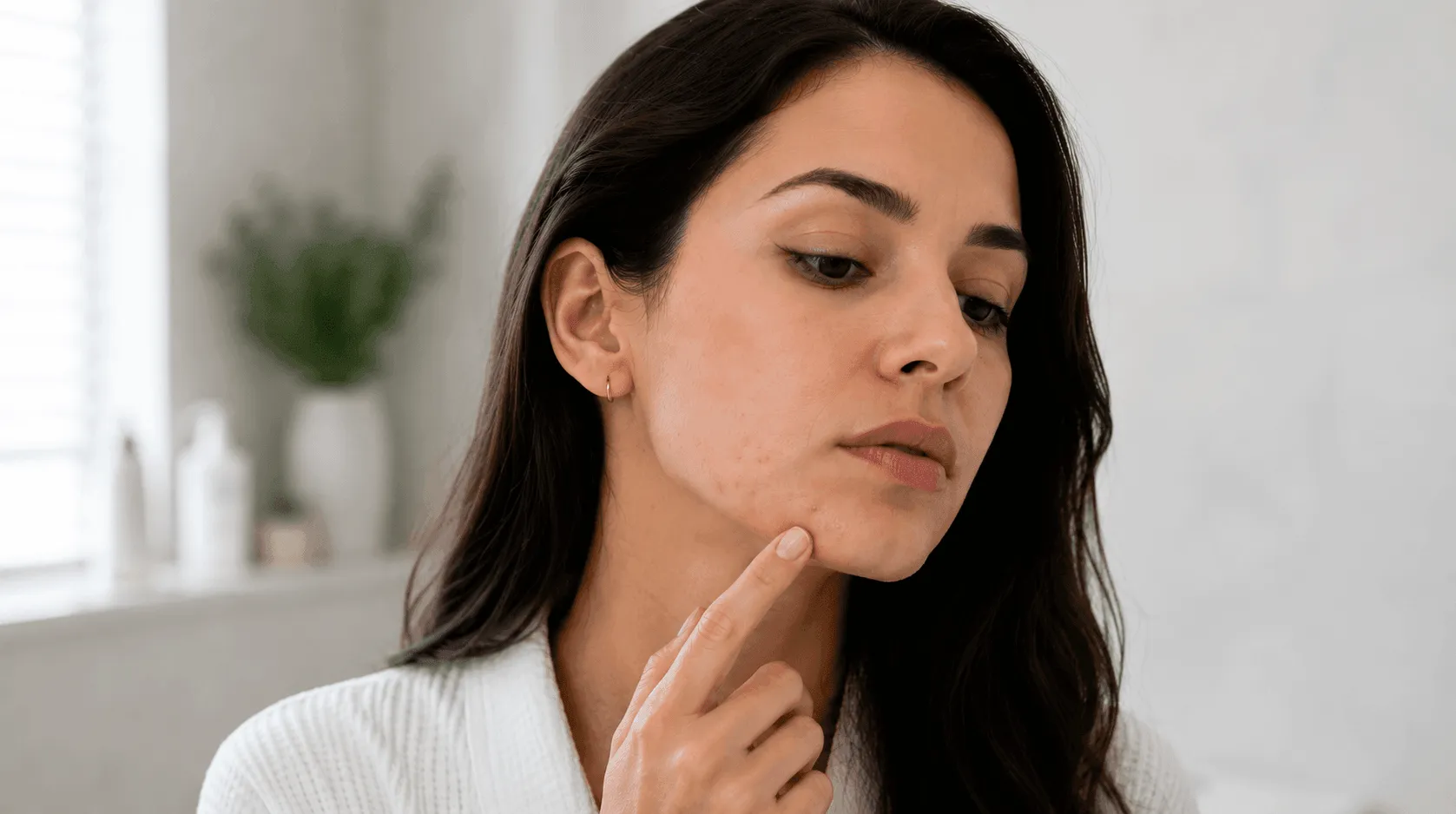
Changes in diet, hormones, and metabolism can also influence oil production in the skin. Some patients report increased dryness, while others notice new breakouts or changes in acne.
These shifts may be related to the body adjusting to metabolic changes or dietary changes during the weight-loss process.
Hair Changes: Why Some People Experience Hair Shedding
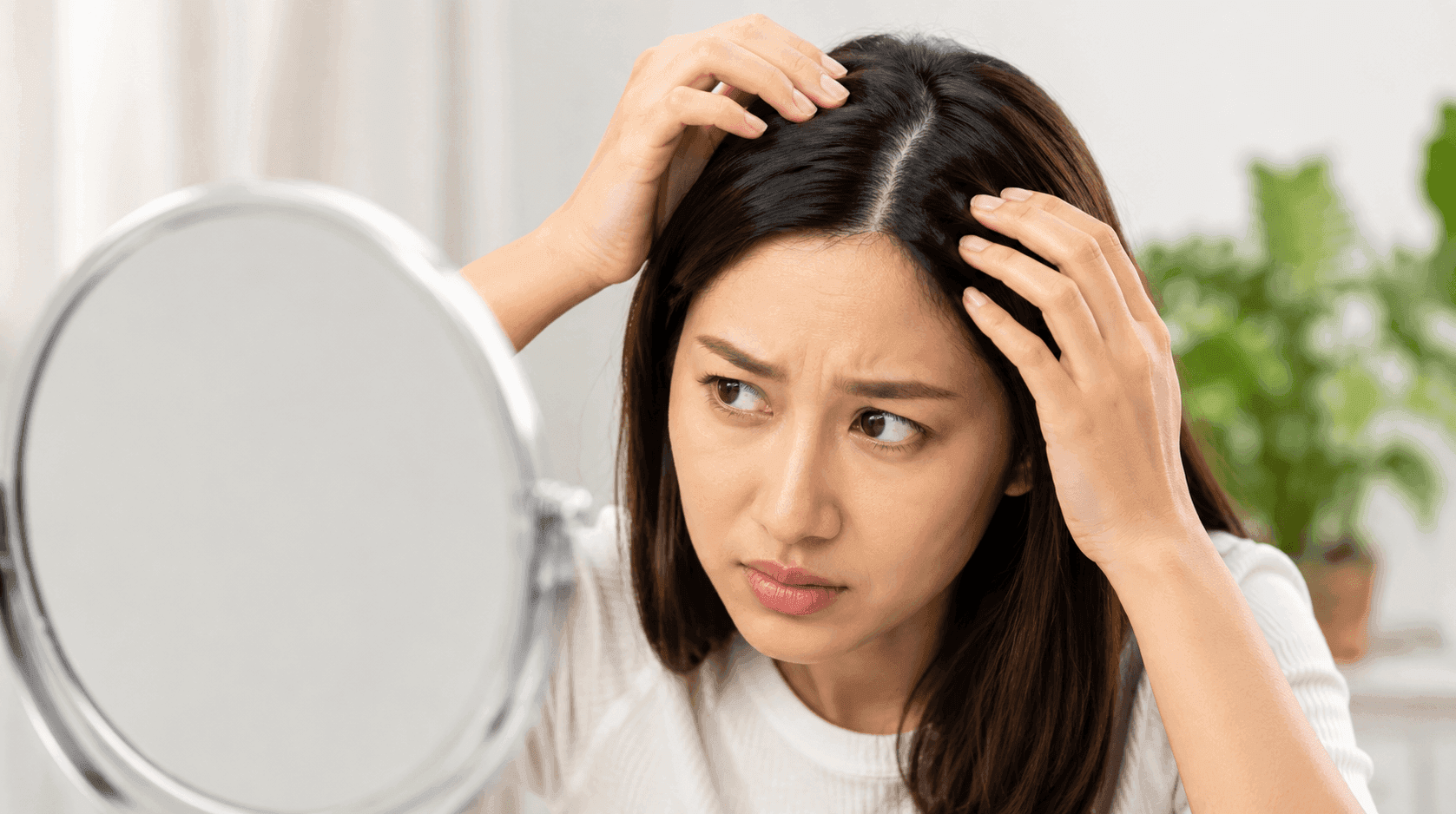
Hair shedding is another change that can occur during significant weight loss. Rapid changes in body weight can temporarily affect the hair growth cycle.

When the body experiences stress such as illness, surgery, or rapid weight loss, it can trigger a condition known as telogen effluvium. In this condition, a greater number of hairs enter the resting phase of the hair cycle and begin shedding several months later.
Patients may notice:
- Shedding that begins a few months after weight loss begins
- Increased hair shedding while brushing or washing
- Thinning throughout the scalp rather than patchy hair loss
Although this type of hair shedding can be alarming, it is often temporary. A dermatology provider can help confirm the cause and determine whether additional treatment or monitoring is needed.
Nail Changes That May Occur
Because nails grow slowly and depend on overall health and nutrition, they may also reflect changes occurring in the body during weight loss.
Some individuals notice:
- Slower nail growth
- Increased nail brittleness
- Nails that split or break more easily
These changes may be related to shifts in diet or nutrient intake as the body adjusts to new eating patterns.
Some Skin Conditions May Actually Improve
While some patients notice side effects, others may experience improvements in certain inflammatory skin conditions during weight loss.
Weight loss can sometimes reduce systemic inflammation in the body. Because inflammation plays a role in many skin conditions, this shift may improve symptoms in some individuals.
Conditions that have been observed to improve in some patients include:
- Psoriasis, which may show reduced redness or scaling
- Hidradenitis suppurativa, a condition that causes painful lumps and drainage in areas such as the underarms or groin
These improvements are not guaranteed and vary from patient to patient, but they highlight how closely skin health is connected to overall metabolic health.
When Skin Changes Should Be Evaluated
Many skin changes during weight loss are temporary and improve as the body adjusts. However, certain symptoms should prompt evaluation by a dermatology provider.
Consider seeking professional care if you notice:
- Persistent or severe hair shedding
- Rashes or irritation developing in skin folds
- Injection-site reactions that worsen or fail to improve
- Sudden or severe acne or skin dryness
- Skin symptoms that interfere with daily comfort
A dermatology provider can help determine whether symptoms are related to weight loss, medication use, or another skin condition.
How Dermatology Providers Help Manage These Changes
When patients experience changes in skin, hair, or nails during weight loss, a dermatology provider can help identify the underlying cause and recommend appropriate care.
Evaluation may include:
- Reviewing medical history and medications
- Examining the skin, scalp, and nails
- Identifying patterns associated with hair shedding or dermatitis
- Recommending treatment options or lifestyle adjustments
Professional guidance helps ensure that symptoms are addressed early and that patients can continue their health journey with confidence.
Supporting Skin Health During Weight Loss
During any weight loss process, supporting overall skin health can help minimize unwanted changes.
Helpful strategies may include maintaining consistent skin care habits, avoiding frequent product changes, and monitoring the skin for new or unusual symptoms. Because everyone’s skin responds differently to weight loss, paying attention to early signs of irritation or shedding can make a difference.
When questions arise, speaking with a dermatology provider can help clarify whether a symptom is temporary or requires treatment.
Next Steps
Weight loss medications can provide important health benefits for many patients, but it’s helpful to understand how these medications and the resulting weight loss may affect the skin, hair, and nails.
If you notice new or persistent skin changes while taking weight-loss medication, a dermatologist can evaluate your symptoms and recommend a plan to support your skin health. Early evaluation can help address concerns quickly and keep your focus on overall wellness as your body adapts to change.