Skip to content


Finding a lump under your skin can be concerning, especially when similar bumps keep appearing, or the same one keeps coming back. Recurring cysts can have several causes, depending on the cyst type and where it develops.
Epidermoid cysts, for example, can form when skin cells that would normally be shed become trapped beneath the surface. Pilar cysts develop from hair follicles and commonly occur on the scalp. Deep bumps associated with cystic acne develop differently and require a different treatment approach.
Many skin cysts are benign, but a new, changing, painful, or recurring lump should not automatically be assumed to be a harmless cyst. A dermatology provider can examine the area, determine the type of growth, and recommend appropriate treatment when needed.
What Is a Skin Cyst?
A skin cyst is generally a closed, sac-like structure that develops beneath the skin. Depending on the type, it may contain keratin, fluid, pus, or other material.
One of the most common types is an epidermoid cyst. These typically appear as slow-growing, round lumps beneath the skin and frequently develop on the face, neck, or trunk. They are usually painless unless they become inflamed, rupture, or become infected. Mayo Clinic explains that epidermoid cysts form when epidermal cells move deeper into the skin instead of being shed.
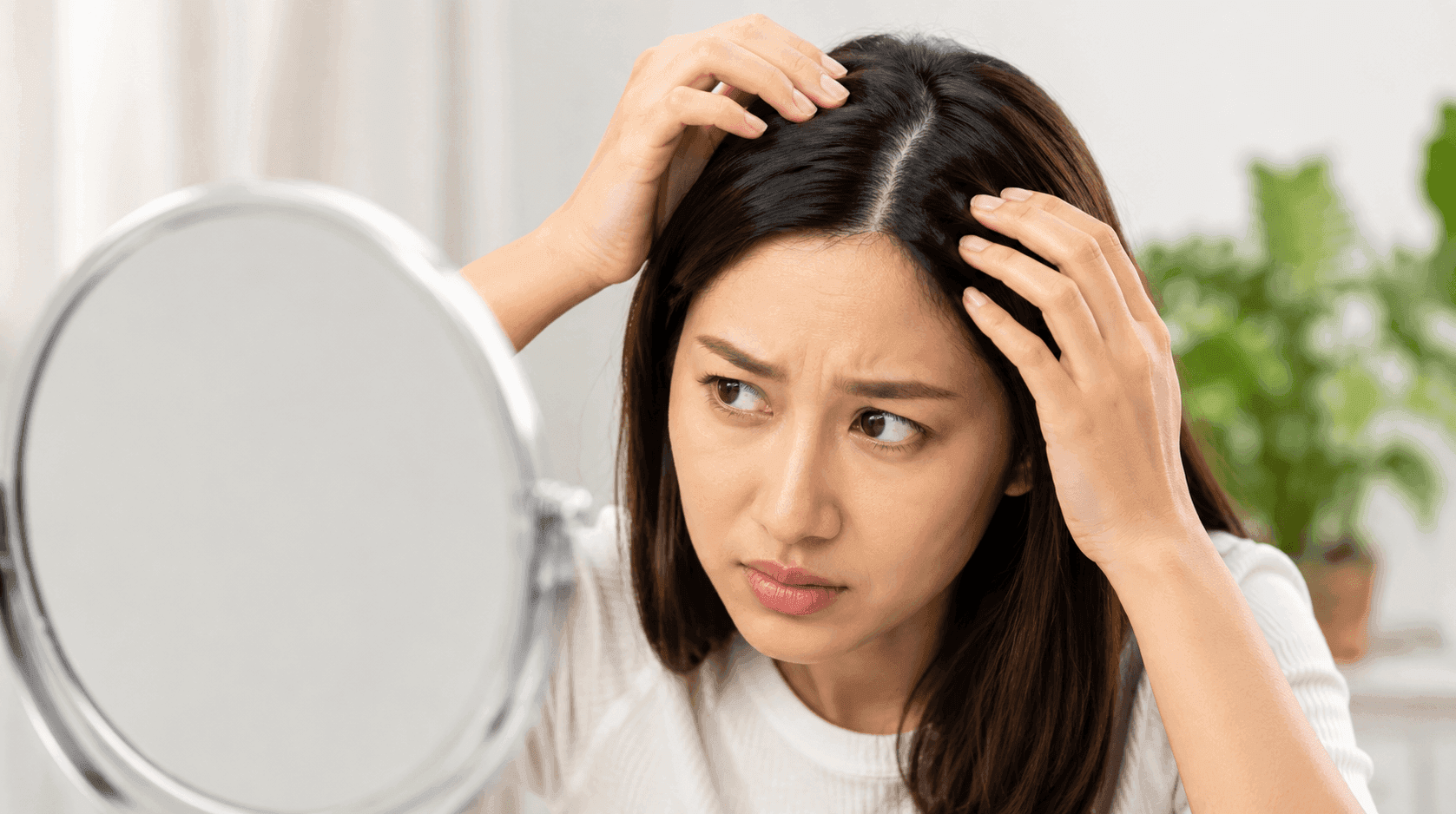
Another common type is the pilar cyst, which develops from the root of a hair follicle and most frequently appears on the scalp.
You may also hear people use the term sebaceous cysts. Although this is a common phrase, people often incorrectly describe epidermoid and pilar cysts as sebaceous cysts. True sebaceous cysts originate from sebaceous glands and are less common, according to Mayo Clinic’s overview of epidermoid cyst diagnosis and treatment.
Not every lump beneath the skin is a cyst, which is why an examination can matter when a lump is new, changing, or persistent.
Why Do I Keep Getting Cysts?
The causes of cysts depend on the type of cyst developing. Some people may develop one cyst and never experience another, while others are more susceptible to recurring or multiple cysts.
Skin Cells Becoming Trapped Beneath the Surface
Epidermoid cyst formation involves cells from the top layer of the skin moving deeper instead of naturally shedding. These skin cells form the cyst wall and produce keratin, which accumulates inside the cyst.
Skin irritation, injury, or damage involving a hair follicle may also contribute to the development of an epidermoid cyst.
This helps explain why simply thinking of these bumps as “clogged pores” does not fully describe what is happening beneath the skin.
Hair Follicles and Pilar Cysts
Pilar cysts form from hair follicles and most commonly develop on the scalp. Some people also have a family history of these cysts.
The UK’s National Health Service notes that you may be more likely to develop skin cysts if family members also have them, particularly with pilar cysts. Learn more about the causes and types of skin cysts on the NHS website.
Recurring pilar cysts do not necessarily mean you are doing something wrong with your skin care. Individual susceptibility can play a significant role.
Acne Cysts Develop Differently
A bump described as a “cyst” may actually be acne-related.
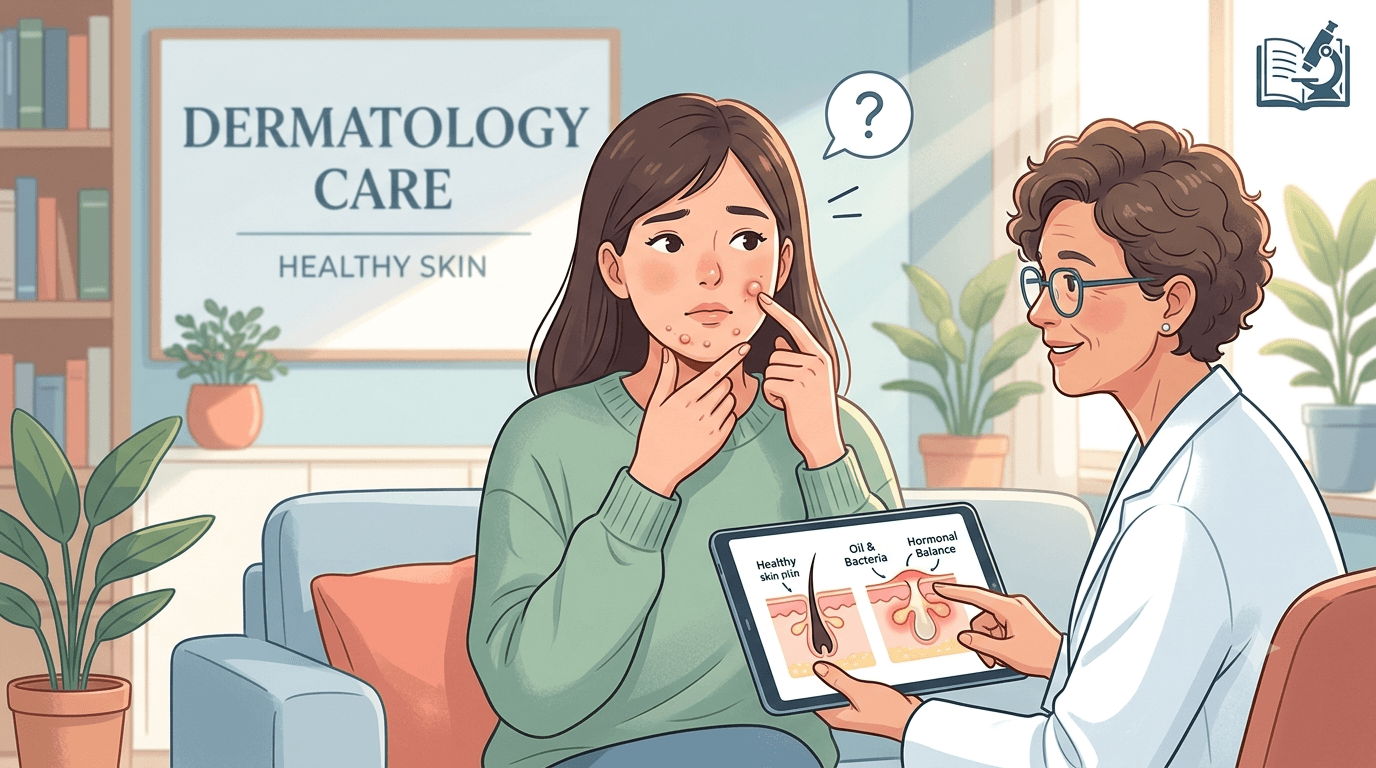
Acne cysts and nodules develop deep within the skin. According to the American Academy of Dermatology (AAD), acne cysts or nodules can develop when excess oil, dead skin cells, and bacteria contribute to inflammation deep within a pore. These breakouts can be painful or tender.
Someone experiencing repeated deep breakouts may therefore be dealing with cystic acne rather than recurring epidermoid or pilar cysts.
Because these conditions have different causes and treatment options, identifying the type of bump is an important first step.
Why Does a Cyst Keep Coming Back in the Same Spot?
A cyst that repeatedly returns in the same location may not have been completely removed.
For certain epidermoid cysts, a small incision and drainage can relieve symptoms, but the cyst may recur afterward. Mayo Clinic notes that incision and drainage is a relatively quick treatment, but cysts may return after this procedure.
Surgical removal involves removing the entire cyst rather than only draining its contents. Removing the cyst wall can reduce the chance that the same cyst will regrow, although no procedure should be described as guaranteeing that a cyst will never return.
Repeatedly developing a lump in the same place is also a reason to seek professional evaluation. What looks or feels like a cyst may be another type of skin growth, and visual appearance alone may not provide a reliable diagnosis.
Recurring Skin Cysts vs. Cystic Acne: What’s the Difference?

Although the word “cyst” appears in both terms, a typical epidermoid cyst and cystic acne are not the same condition.
An epidermoid cyst commonly presents as a slow-growing, round lump under the skin. Some have a visible central opening. They may remain painless unless they become irritated, inflamed, or infected.
Acne cysts are inflammatory acne lesions that develop deep within the skin. The AAD explains that acne cysts contain pus, while acne nodules are harder lesions that do not contain pus. Both can be deep and painful and can increase the risk of scarring.
Location and pattern may also provide useful information. A single persistent lump may behave differently from repeated inflammatory breakouts across acne-prone areas such as the face, chest, or back.
However, diagnosing a lump based only on its appearance can be difficult. A dermatology provider can distinguish between acne, a skin cyst, an ingrown hair, and other conditions that may produce similar-looking bumps.
Can You Prevent Skin Cysts From Coming Back?
No universal method prevents cysts because cysts don’t all have the same cause.
Mayo Clinic notes that epidermoid cyst formation itself cannot necessarily be prevented. However, avoiding squeezing or manipulating an existing cyst can help reduce the risk of infection and scarring.
When repeated bumps are caused by acne rather than epidermoid or pilar cysts, an appropriate acne treatment plan may help reduce future breakouts. Treatment may address factors such as clogged pores, excess oil, bacteria, and inflammation depending on the patient’s acne.
The best preventive strategy therefore depends on determining what is causing the cysts or cyst-like bumps in the first place.
Should You Pop or Drain a Cyst at Home?
Trying to pop, cut, or drain a suspected cyst yourself is not recommended.
Squeezing a cyst may irritate surrounding tissue and increase the risk of infection or scarring. It also doesn’t necessarily address the cyst wall, so the lump may return.
The same caution applies to deep acne cysts. The American Academy of Dermatology advises against squeezing or popping deep acne lesions because doing so can increase the risk of infection, discoloration, and scarring.
If a cyst causes discomfort, repeatedly becomes inflamed, or returns after it drains, a healthcare professional can determine whether medical treatment or removal is appropriate.
When Should You See a Dermatology Provider About a Cyst?
Many uncomplicated epidermoid cysts do not require treatment. However, a professional evaluation becomes more important when you are unsure what a lump is or when its behavior changes.
Consider scheduling an evaluation if a lump:
- Keeps returning in the same location
- Grows or changes noticeably
- Becomes painful, red, warm, or swollen
- Ruptures or begins draining
- Shows possible signs of infection
- Develops in an area where it is frequently irritated
- Causes ongoing discomfort
- Is a new or changing lump that has not been diagnosed
Mayo Clinic specifically recommends medical evaluation for epidermoid cysts that grow rapidly, rupture, become painful or infected, or occur in areas that are repeatedly bumped or irritated.
You also shouldn’t automatically label a new lump a cyst at home. Not all cysts or cyst-like growths are the same, and other skin conditions can resemble them.
How Are Recurring Skin Cysts Treated?
The right treatment depends on the cyst type, whether it is inflamed or infected, its location, and the symptoms it causes.
A small cyst that is not causing problems may not require treatment. When treatment is appropriate, options for an epidermoid cyst can include an injection to reduce inflammation, incision and drainage, or minor surgical removal.
Incision and drainage can relieve symptoms by removing the material inside the cyst, but recurrence is possible. Minor surgery can remove the entire cyst and may help prevent that particular cyst from regrowing. Surgery can leave a scar, and you may postpone removal if a cyst is actively inflamed.
Pilar cysts may also be surgically removed when treatment is appropriate. Complete removal of the cyst wall helps reduce recurrence.
Treatment for cystic acne, however, is different. Deep acne cysts and nodules may require prescription treatment. For an especially painful lesion, a dermatology provider may sometimes use a corticosteroid injection or perform incision and drainage when medically appropriate. The AAD recommends professional treatment for deep acne cysts and nodules, particularly because these lesions can lead to permanent scarring.
This is why determining the type of cyst or cyst-like lesion should come before choosing a treatment.
Cyst Evaluation and Treatment in NYC
If you keep developing cysts or have a lump that repeatedly returns, an evaluation can help determine what is happening beneath the skin.
Park Plaza Dermatology provides evaluation and treatment for a range of skin conditions throughout New York City. Our dermatology providers can examine a recurring lump, determine whether it is consistent with a skin cyst or another condition, and discuss treatment options based on the diagnosis.
For patients with an epidermoid, pilar, or other appropriate skin cyst, treatment may include professional cyst removal in NYC when clinically indicated.
Contact Park Plaza Dermatology to schedule an appointment and discuss a new, recurring, or bothersome skin growth.
Frequently Asked Questions About Recurring Cysts
Why do I keep getting cysts in the same place?
A cyst may recur in the same location when its contents have drained, but the cyst wall remains beneath the skin. Evaluate recurring lumps to confirm the growth is a cyst and determine whether additional treatment is appropriate.
Can a cyst come back after it has been drained?
Yes. Some cysts can return after incision and drainage because drainage removes the contents without necessarily removing the entire cyst. Mayo Clinic notes that recurrence can occur after this type of treatment.
Are recurring cysts caused by poor hygiene?
Recurring skin cysts are not necessarily a sign of poor hygiene. Epidermoid cysts can develop when skin cells move beneath the surface of the skin, while pilar cysts arise from hair follicles and may occur more frequently in some families. Acne-related cysts have a different underlying process.
When should I worry about a recurring cyst?
A recurring lump deserves medical evaluation when it is growing, changing, painful, inflamed, repeatedly rupturing, showing signs of infection, or has never been professionally diagnosed. Seeking an evaluation is also appropriate whenever you are uncertain whether a new lump is actually a cyst.
References
American Academy of Dermatology Association. (n.d.). Acne: Signs and symptoms. https://www.aad.org/public/diseases/acne/really-acne/symptoms
American Academy of Dermatology Association. (n.d.). How to treat different types of acne. https://www.aad.org/public/diseases/acne/diy/types-breakouts
American Academy of Dermatology Association. (2023). Tips to treat a deep, painful pimple. https://www.aad.org/public/diseases/acne/diy/treat-deep-painful-pimple
Mayo Clinic. (2024). Epidermoid cysts: Symptoms and causes. https://www.mayoclinic.org/diseases-conditions/epidermoid-cysts/symptoms-causes/syc-20352701
Mayo Clinic. (2024). Epidermoid cysts: Diagnosis and treatment. https://www.mayoclinic.org/diseases-conditions/epidermoid-cysts/diagnosis-treatment/drc-20352706
National Health Service. (n.d.). Skin cyst. https://www.nhs.uk/conditions/skin-cyst/