Skip to content

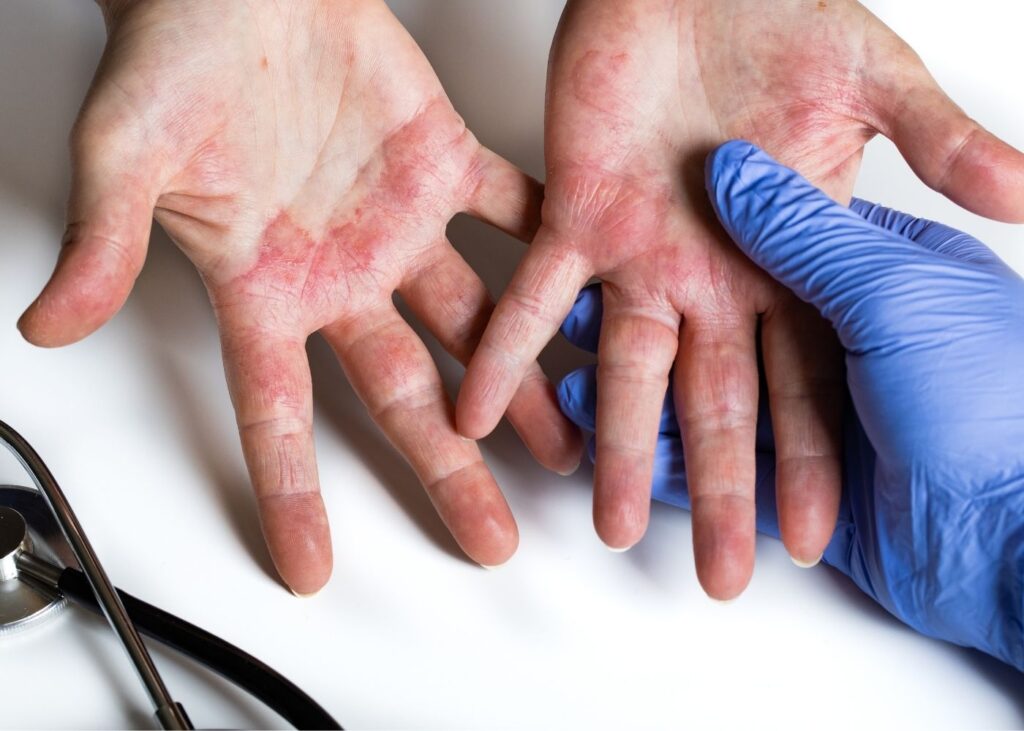
A rash that appears out of nowhere can be maddening. One day your skin feels normal, and the next it’s itchy, red, dry, or burning, sometimes in a very specific spot, and other times in patches that seem to spread. Many people assume it must be a new skincare product or something they ate, but in many cases, the cause is much simpler: something your skin came into contact with.
That’s where contact dermatitis comes in. As we explore this common condition, it’s important to know that it’s often triggered by everyday products you’ve used for years, until your skin decides it’s had enough. The good news is that once you identify what’s causing the reaction, symptoms often become much easier to control and prevent.
At Park Plaza Dermatology, our dermatology providers help patients across NYC understand why a rash is occurring, what’s triggering it, and how to calm the skin safely.
What Is Contact Dermatitis?
Contact dermatitis is skin inflammation from direct contact with an irritant or allergen. It can show up anywhere on the body. It’s especially common on the hands, face, eyelids, neck, and along the hairline. These are areas that often come into contact with products, fragrances, metals, or environmental exposures.
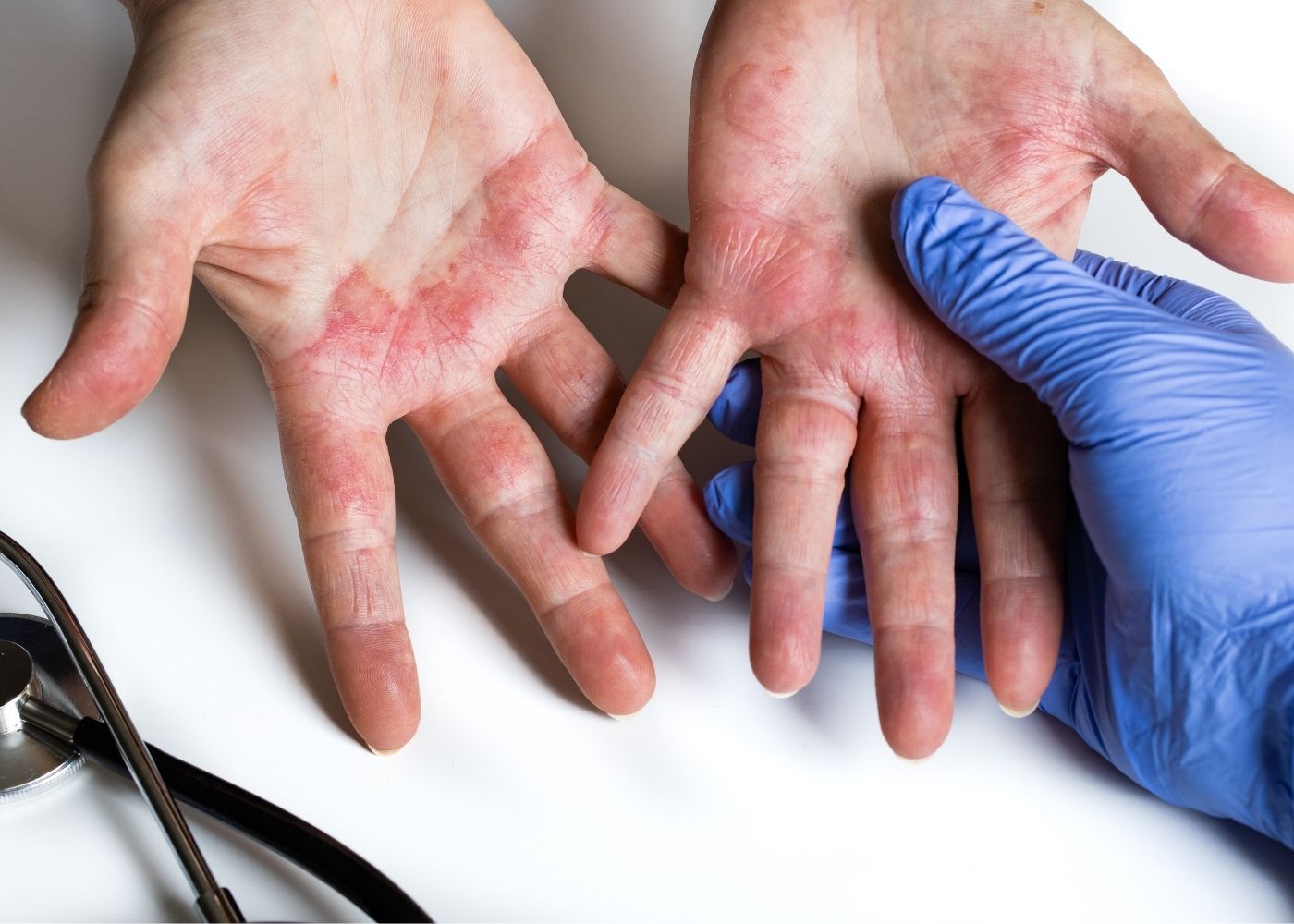
The reaction may look like redness, dryness, or a bumpy rash. In more intense cases, it can lead to swelling, cracking, or even small blisters. Some people describe it as itchy, while others notice more burning or stinging.
Irritant vs. Allergic Contact Dermatitis
Contact dermatitis falls into two main categories, and understanding the differences can be helpful because they affect both treatment and prevention.
Irritant contact dermatitis happens when something physically damages or dries out the skin barrier. This can occur after a single strong exposure (such as a harsh cleaner) or after repeated small exposures over time (such as frequent handwashing). In NYC, this is especially common during colder months or among frequent hand sanitizer users.
Allergic contact dermatitis happens when the immune system reacts to a specific ingredient. You can develop an allergy after months or years of use. Once that allergy appears, even small exposures can trigger a flare.
Both types can look similar on the surface, which is why people often feel stuck trying to guess what caused the rash.
Common Symptoms
Contact dermatitis can vary from mild to severe, but common signs include:
- Redness or darker discoloration
- Itching or burning
- Dryness, flaking, or scaling
- Rough patches or small bumps
- Cracking or tenderness (especially on hands)
- Swelling in more reactive areas (like eyelids)
- Blisters or oozing in more severe reactions
Timing matters too. Irritant reactions may appear quickly, especially after exposure to a harsh product. Allergic reactions can be delayed, appearing hours or even a day or two after contact. That delay is one reason it’s so hard to pinpoint allergic triggers without professional guidance.
The Most Common Everyday Triggers (By Category)
Many cases of contact dermatitis are caused by products people use daily. These triggers aren’t always “bad” products; they just aren’t compatible with certain skin types or sensitivities.
Skincare and cosmetics
Fragrance is a frequent culprit, along with preservatives and some botanical ingredients. Products labeled as “natural” can still be irritating, especially if they have essential oils or strong plant extracts. Makeup removers, exfoliators, and some acne treatments can disrupt the skin barrier over time, increasing sensitivity.
Hair products
Shampoo, conditioner, styling products, and hair dyes may trigger irritation along the hairline, behind the ears, on the neck, or even on the upper back. Some reactions are caused by fragrance, while others are tied to preservatives or dye-related ingredients.
Soaps and hand sanitizers
Frequent hand washing and alcohol-based sanitizers can strip the skin barrier, leading to hand dermatitis, especially if you wash with hot water or skip moisturizer. This is a major trigger for parents, healthcare workers, service professionals, and anyone who repeatedly washes their hands throughout the day.
Cleaning products and detergents
Household cleaners, disinfectants, and laundry products can cause irritation, especially on hands and forearms. Even “gentle” detergents can be problematic if the skin barrier is already compromised.
Metals and jewelry
Nickel is one of the most common contact allergens. It can cause rashes where jewelry touches the skin, such as earrings, necklaces, watches, rings, belt buckles, and even metal buttons on clothing.
Clothing, fabrics, and additives
Some people react to dyes, elastic components, or finishing chemicals used in textiles. If a rash appears where clothing rubs, like the waistline, underarms, or bra line, fabric-related triggers may be part of the picture.
Why manicures can be a trigger
Hands are constantly exposed to products and chemicals, and nail services often involve multiple layers of potential irritants. Even if a product doesn’t cause an immediate reaction, repeated exposure can increase sensitivity.
Common manicure-related culprits
Nail-related triggers may include ingredients in nail polish, gel systems, acrylic products, adhesives, cuticle removers, nail strengtheners, and fragranced salon lotions. The more steps involved, the more opportunities there are for an irritant or allergen to be introduced.
Where the rash shows up (and why it can be confusing)
Some people develop irritation around the nails, such as redness, peeling, tenderness, or small bumps near the cuticles. Others may notice rashes on the hands. A key detail many patients don’t expect is that reactions can appear on the eyelids, face, or neck because you touch your face throughout the day, transferring small amounts of allergen from your hands.
If you suspect your manicure is contributing to irritation, it’s worth stepping back before re-exposing the skin repeatedly. Continuing to “test” different products every week can worsen inflammation and increase the risk of developing a stronger, longer-lasting sensitivity.
How to Find Your Trigger
When people try to solve contact dermatitis on their own, the most common pattern is switching products constantly, new cleanser, new cream, new serum, without ever getting clarity. The more changes you make, the harder it becomes to identify what actually caused the problem.
A more effective approach is a simplified “reset.”
Start by cutting your routine down to the basics: a gentle cleanser, a fragrance-free moisturizer, and sunscreen that your skin tolerates. Then consider what changed in the weeks leading up to