Skip to content

Seeing more hair in the shower drain or on your pillow can be unsettling. A certain amount of shedding is completely normal, but at some point it stops being “just shedding” and starts to signal true hair loss and that’s when a dermatology provider should be involved.
At Park Plaza Dermatology, patients across New York City often come in with the same worries: “Is this normal?” and “Am I starting to lose my hair?” By looking at the pattern of thinning, your medical history, and the health of your scalp, our dermatology providers can sort out what’s behind the change and recommend a plan to protect and, when possible, restore your hair.
Normal Shedding vs. Hair Loss
Hair grows in cycles. Each strand goes through a long growth phase, a short resting phase, and then shedding. Because of this cycle, most people lose around 50–100 hairs per day without it meaning anything is wrong.
Normal shedding tends to feel consistent over time. You may notice some hair in your brush, in the shower, or on your clothing, but your overall hair density and hairline look the same when you look in the mirror.
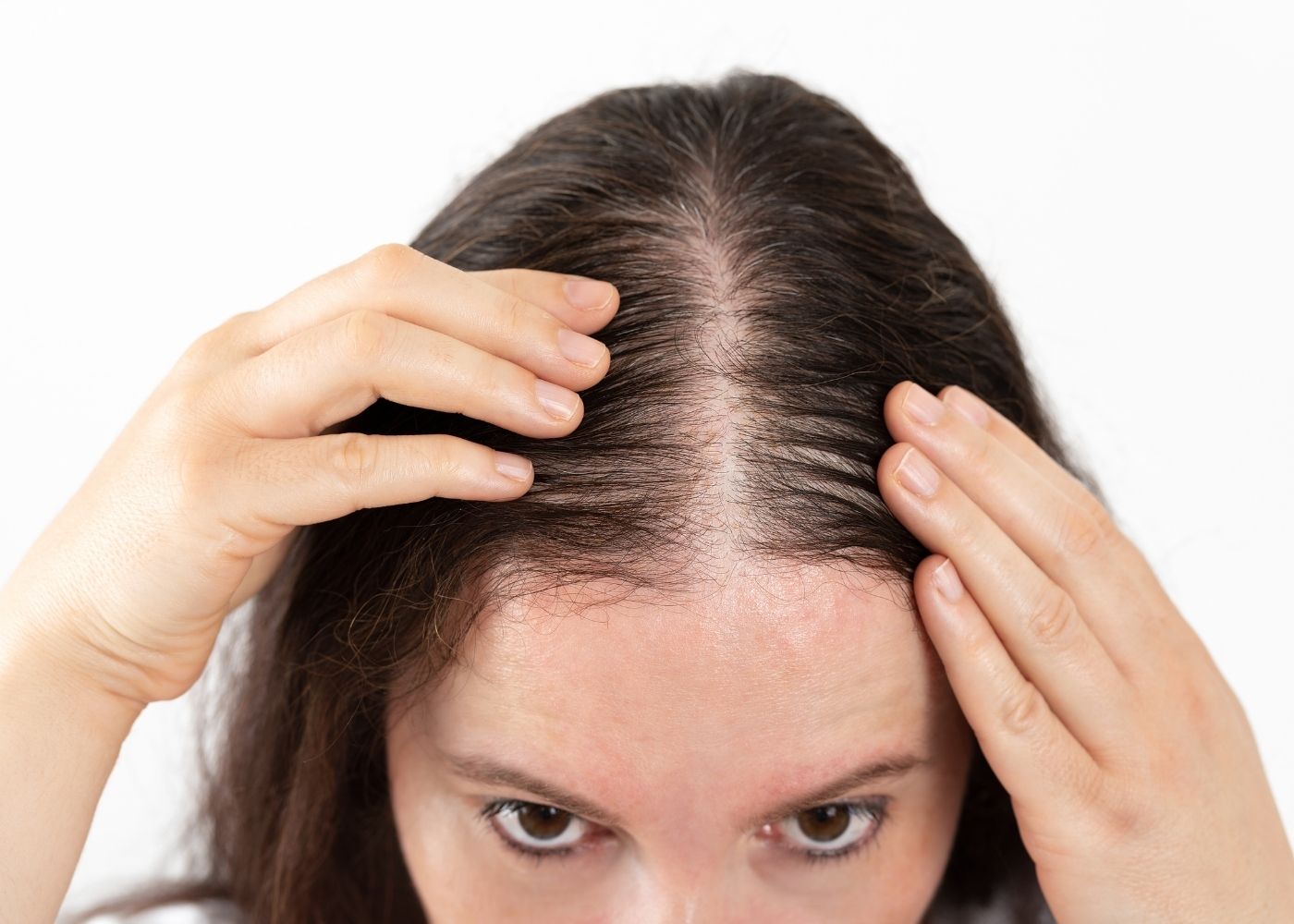
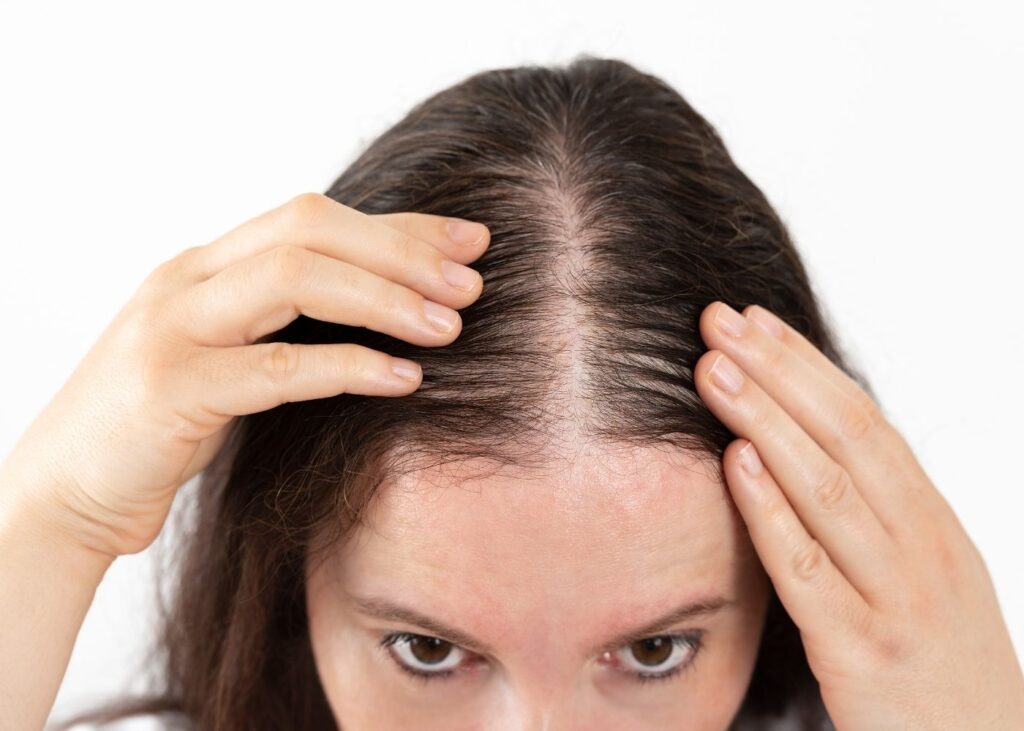
Hair loss is different. Instead of a steady, low-level shed, you might notice your part line widening, your ponytail getting thinner, or specific areas (like the temples or crown) looking sparse. In other cases, hair may shed more diffusely all over the scalp after a major stressor, illness, or hormonal change.
You don’t need to count every hair you lose. What matters more is pattern, timing, and visible change.
Common Causes of Hair Thinning and Shedding
Many different conditions and triggers can lead to hair loss. Some are temporary and reversible; others are progressive and need ongoing management. The most common causes include:
- Androgenetic alopecia (pattern hair loss) – This is the classic “male pattern baldness,” but it also affects women. It typically causes a receding hairline and thinning at the crown in men, and a widening part or diffuse thinning on the top of the scalp in women.
- Telogen effluvium – A form of diffuse shedding that often appears a few months after a major physical or emotional stressor, such as illness, surgery, childbirth, crash dieting, or significant life stress. It usually causes more hair to come out all over the scalp rather than in one spot.
- Alopecia areata – An autoimmune condition where the immune system attacks hair follicles, leading to sudden, round patches of hair loss on the scalp or other body areas.
- Traction alopecia – Hair loss caused by tight styles such as braids, ponytails, extensions, or frequent use of tight headwear, which place chronic tension on the follicles.
- Scalp conditions – Psoriasis, seborrheic dermatitis, and fungal infections can inflame the scalp and contribute to shedding or breakage.
- Systemic issues – Thyroid disease, iron deficiency, hormonal imbalances (such as PCOS or menopause), certain medications, and significant nutritional deficiencies can all cause or worsen hair loss.
Because so many factors can be involved, a proper medical evaluation is usually the fastest way to understand what your hair is telling you.
Signs It’s Time to See a Dermatologist About Hair Loss
It’s not always easy to know when to move from “watch and wait” to “make an appointment.” These are strong signals that it’s time to see a dermatology provider:
- Your hair looks visibly thinner at the crown, along your part, or at the temples.
You’re seeing significantly more hair than usual in the shower, on your pillow, or in your brush over several weeks. - You notice round or patchy bald spots on your scalp, beard, or eyebrows.
- Your scalp is itchy, painful, scaly, or shows redness and bumps along with hair loss.
- Hair loss started after a major illness, high fever, surgery, childbirth, a new medication, or a big life stressor.
- Thinning or shedding is affecting your confidence, mood, or willingness to participate in social or professional situations.
Even if you’re unsure whether what you’re seeing is “normal,” it’s completely reasonable to ask a professional. Catching certain types of hair loss early can make treatments more effective.
What a Dermatology Provider Looks For
When you come to Park Plaza Dermatology with concerns about hair thinning or shedding, the first step is a detailed conversation. A dermatology provider will ask when you first noticed the change, whether it has been gradual or sudden, and whether anything significant happened in the months before the hair loss began such as illness, pregnancy, a big stressor, or a new medication.
During the exam, they’ll look closely at your scalp to evaluate hair density, the pattern of thinning, and the health of the scalp itself. They may gently pull on a small number of hairs to see how easily they come out, and examine the hair shafts to distinguish between breakage and true follicular loss.
Depending on your situation, additional testing may include:
- Blood work to check for thyroid issues, anemia, hormonal imbalances, or nutritional deficiencies.
- Scalp biopsy in selected cases, especially when scarring alopecia or unusual patterns of hair loss are suspected.
The goal of this evaluation is to identify the type of hair loss you’re experiencing and any underlying factors contributing to it, so that treatment is both targeted and realistic.
Treatment Options for Hair Thinning and Hair Loss
There is no single “one-size-fits-all” solution for hair loss. The best treatment depends on the cause, how long it has been happening, and your overall health. Dermatology providers at Park Plaza Dermatology may recommend one or more of the following approaches:
Topical treatments
Topical minoxidil remains one of the most widely used treatments for various types of hair loss. It can help extend the growth phase of hair and increase thickness for some patients.
Oral medications
For some people with androgenetic alopecia, oral medications such as finasteride or spironolactone (for appropriate candidates) can slow or partially reverse pattern hair loss by addressing hormonal influences on the hair follicle.
Injections and advanced therapies
For conditions like alopecia areata, corticosteroid injections into affected areas can help restart growth by calming the immune response around the follicles. In select cases, other advanced options may be discussed based on individual needs and current evidence.
Treating underlying conditions
If hair loss is linked to thyroid disease, low iron, vitamin deficiencies, or other systemic issues, addressing those problems is a key part of treatment. Fixing the underlying cause can allow hair to gradually recover.
Your dermatologist will explain realistic expectations for example, which types of hair loss can fully recover and which can be slowed or partially improved but not completely reversed.
Lifestyle and At-Home Strategies That Support Hair Health
While medical treatment is often necessary, everyday choices also influence how your hair looks and feels. Helpful strategies include:
- Being gentle with styling: limit tight hairstyles, high-heat tools, and harsh chemical treatments that can cause breakage and stress on follicles.
- Eating a balanced diet with adequate protein, iron, zinc, and vitamin D to support healthy hair growth, rather than relying on unproven “miracle” supplements.
- Managing stress with sleep, exercise, and mental health support, since significant physical or emotional stress is a well-known trigger for telogen effluvium.
These habits won’t cure every cause of hair loss, but they create a stronger foundation for any medical treatment plan.
Why See a Dermatologist at Park Plaza Dermatology
Hair loss can feel deeply personal, and it often affects self-esteem as much as appearance. At Park Plaza Dermatology, our dermatology providers understand how important it is to get clear answers and a plan you can trust.
We evaluate all the factors genetics, hormones, scalp health, lifestyle, and overall medical history to determine what’s driving your hair changes. Then we design a treatment strategy that fits your needs and goals, whether you’re dealing with new shedding, long-standing pattern hair loss, or patchy bald spots.
With locations across Manhattan, the Bronx, and Brooklyn, as well as telemedicine options for follow-up visits, expert help for hair loss is accessible throughout New York City.
Schedule a Consultation
If you’ve started noticing more hair in the shower, a widening part, or patches of thinning that won’t go away, you don’t have to figure it out on your own. Early evaluation by a dermatology provider can make a real difference in what’s possible.
To discuss hair thinning or shedding with a dermatologist at Park Plaza Dermatology, you can schedule an in-person visit at one of our NYC locations or request a telemedicine appointment when appropriate.
Visit the Park Plaza Dermatology website to request an appointment and learn more about how we diagnose and treat hair loss.